Home › Asphalt Pathways, Sidewalks, and Trails
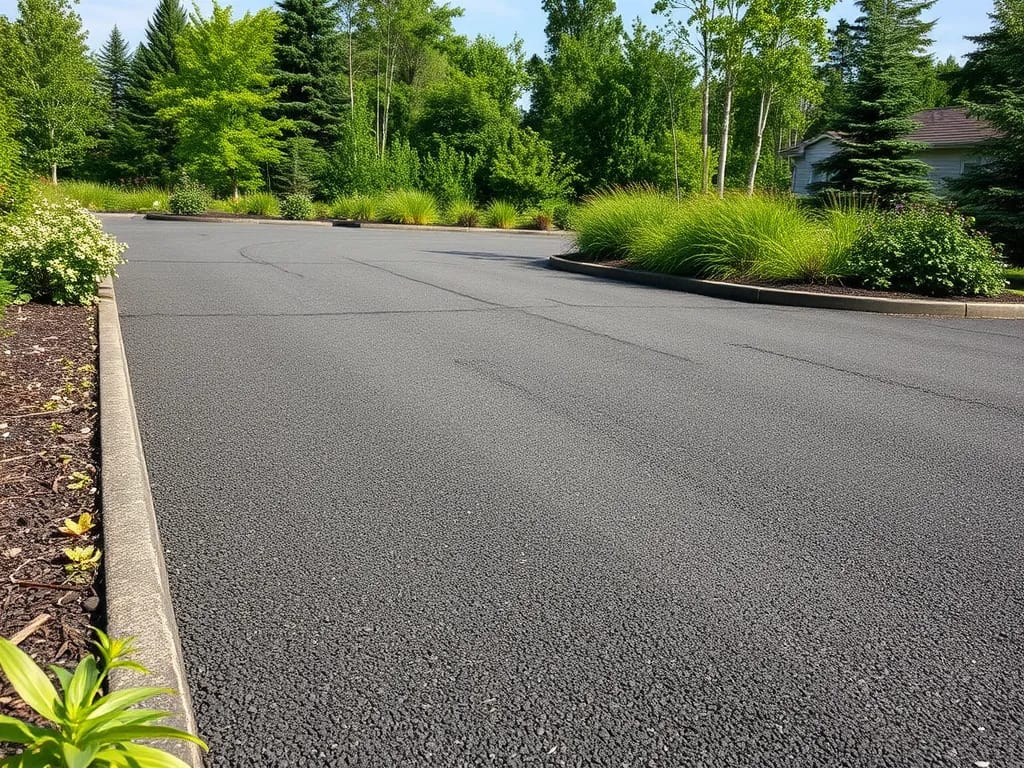
Precision Asphalt Indianapolis builds asphalt pathway paving in Indianapolis, IN for parks, schools, communities, and commercial campuses. We create walking paths, bike trails, and connector routes with smooth, even surfaces. Our designs consider grades, drainage, and user comfort so paths stay safe and accessible. Connect your property or public space with durable asphalt walkways and trails.
Precision Asphalt Indianapolis provides professional asphalt pathway paving throughout Indianapolis, IN, Indiana and the surrounding area. Our licensed, insured crew delivers safe, clean, on-time work with a free estimate before anything begins. Call (317) 793-2897 or request your free quote.
Asphalt Pathways, Sidewalks, and Trails in Indianapolis
Precision Asphalt Indianapolis builds asphalt pathways, sidewalks, and trails that are designed specifically for Central Indiana soil, drainage, and weather. Whether you need a short sidewalk to connect your parking lot to an entrance or a half‑mile walking trail through a campus or park, our crews plan every project around long‑term performance and safety.
Asphalt pathway paving is not just a thin strip of blacktop on the ground. It involves careful grading, base preparation, and compaction that match how people will actually use the path. We consider foot traffic, bicycle use, service carts, and occasional maintenance vehicles, then design the structure of the path to handle that load.
Working locally in Indianapolis means we understand clay‑heavy soils, freeze‑thaw cycles, and drainage issues that are common in Marion County and surrounding areas. This local experience helps reduce cracking, ponding water, and heaving that can show up a year or two after a pathway is built if it is not designed correctly for this region.
How We Design Asphalt Pathways, Sidewalks, and Trails
Every project with Precision Asphalt Indianapolis starts with a site walk and discussion of how the pathway or trail will be used day to day. We map out starting and ending points, slope, turning radiuses, and any ADA requirements or campus safety standards. For commercial sites, we look at how the path interacts with parking lots, delivery areas, and building entrances so you get a clear, logical circulation pattern.
For layout, we mark proposed alignment with paint and flags, then adjust on site with you to avoid trees, utilities, or wet spots. On longer trails, we consider shade, resting points, and how snow removal will be handled in winter. These details influence the width, cross slope, and where we introduce slight rises so meltwater does not freeze across the walking surface.
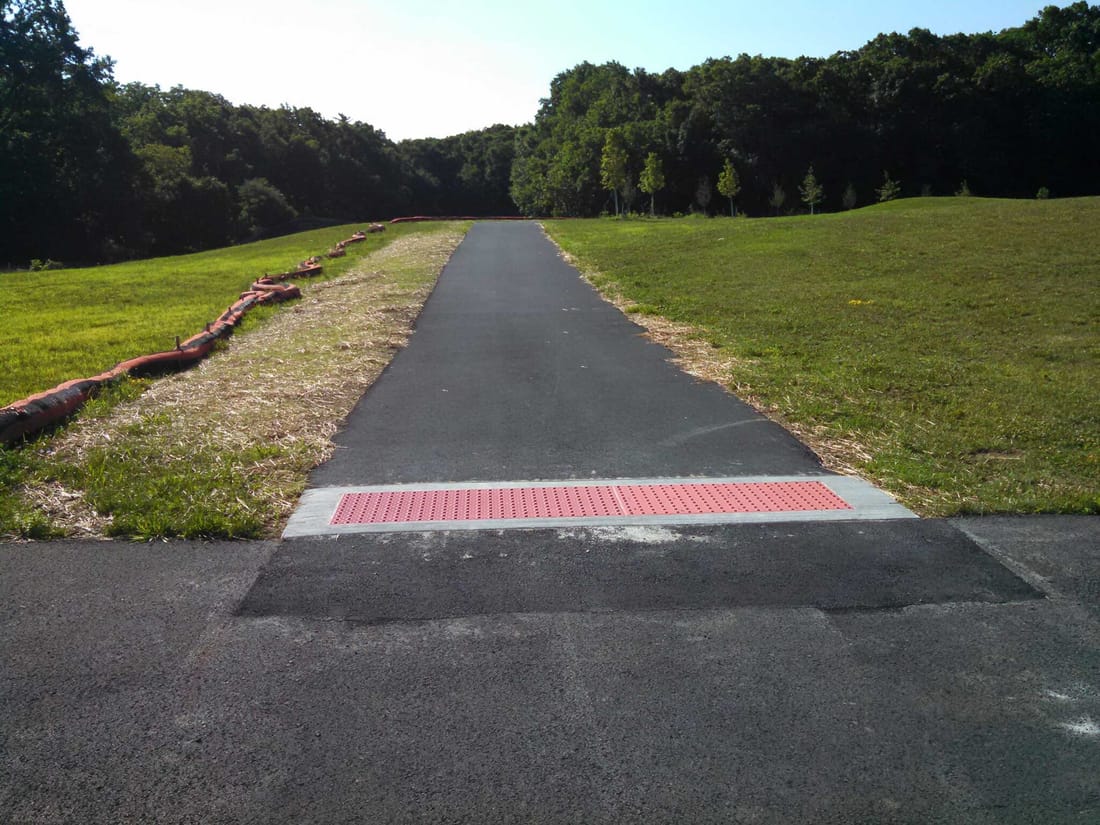
If you need ADA‑compliant access routes, we set grades to stay within allowable slopes, design curb ramps with appropriate transitions, and confirm cross slopes so wheelchairs and walkers can traverse the surface comfortably. Our designs also take lighting placement and emergency access into account so your asphalt pathways are not only smooth but also functional and safe after dark.
Our Step‑by‑Step Asphalt Pathway Paving Process
Once the layout is finalized, we strip sod and organic material to reach stable subgrade, usually 6 to 12 inches down depending on soil conditions. In much of Indianapolis, we encounter clay that holds water, so we often scarify and compact the subgrade, then add a layer of compacted aggregate to create a stable base that will not pump or rut under traffic.
We install an aggregate base, typically 4 to 8 inches of compacted limestone or similar stone, using plate compactors and rollers sized for pathway work. For narrower sidewalks where large equipment will not fit, we use smaller walk‑behind rollers that still achieve required compaction. Proper base thickness is one of the biggest factors in how long your path will last and how smooth it will feel years later.
When it is time to pave, we place hot‑mix asphalt in one or two lifts depending on design thickness. For light‑duty pedestrian paths, we may use a 2 to 3 inch compacted mat. For mixed‑use or maintenance‑vehicle access, we increase thickness and sometimes adjust the asphalt mix for added stability. Edges are carefully compacted so they do not unravel, especially where the path meets turf.
We finish by checking cross slope so water drains off the surface, cutting clean joints where new asphalt meets existing pavements, and hand‑finishing edges for a neat appearance. Where needed, we add topsoil and seed along the sides so the surrounding landscape ties into the new pathway without trip hazards at the edge.
Material Options and Mix Choices for Local Conditions
Precision Asphalt Indianapolis selects asphalt mixes for pathways with a focus on smoothness, durability, and resistance to raveling. A finer aggregate surface mix is often the best choice for sidewalks and multi‑use trails because it provides a comfortable walking and biking surface with fewer surface voids to collect water.
In areas that see occasional light vehicle use, such as maintenance trucks on park trails or service carts on hospital campuses, we may recommend a slightly coarser mix with stronger aggregate interlock. This helps the surface resist deformation during hot Indiana summers when asphalt can soften under concentrated loads if it is not designed correctly.
We also consider color and temperature. While traditional black asphalt is standard, we can apply sealers or coatings that lighten surface color slightly to reduce heat buildup where pedestrian comfort is a priority. In shaded or low‑sun areas that stay icy in winter, we keep textures smooth but not polished, so snow removal is efficient and slip resistance is maintained.
For clients looking for lower long‑term maintenance, we can pair your asphalt pathway paving with a planned sealcoating schedule. This helps protect the surface from oxidation and minor surface cracking, which is especially important with Midwest freeze‑thaw cycles.
Costs, Project Timelines, and What Drives Your Price
The cost of asphalt pathway paving in Indianapolis varies mainly based on length, width, base requirements, and access. Short walks with difficult access can cost more per linear foot than long, straight segments where crews and equipment can work efficiently. During our estimate, we explain which parts of your design drive cost so you can adjust where needed without compromising safety or longevity.
Soil conditions are another major factor. If we find soft or saturated subgrade, we may recommend thicker aggregate base or undercutting and replacing unsuitable soil. This adds some upfront cost but prevents uneven settlement and cracking that would otherwise show up quickly. Because we work locally, our crews recognize problem soils common in this region and address them before paving.
Curves, intersections, and tie‑ins to existing pavements add some labor, since these areas often require handwork and smaller equipment. If your path crosses drive lanes or parking aisles, we factor in additional traffic control and joint detail so those transitions remain smooth. We provide clear timelines, typically outlining grading and base work on one day or series of days, followed by paving and final cleanup, often within the same week for moderate‑sized projects.
Common Pathway Problems and How We Prevent Them
Customers often call us to repair asphalt sidewalks and trails that were built without regard for local drainage or soil conditions. Common issues include ponding water on the path, edges that crumble where the asphalt meets soil, and reflective cracking from unstable base layers. Precision Asphalt Indianapolis focuses on preventing these issues at the design and construction stage.
To avoid standing water and winter ice patches, we design paths with consistent cross slope and positive drainage to grass, swales, or inlets, and we check slopes during construction. Where adjacent ground is higher than the path, we may add shallow ditches or minor grading so water does not flow across and erode the edges.
Edge failure is addressed by building adequate base out to the full width of the path, not just under the center. In some cases, we recommend edge restraints, such as concrete borders or thicker edge sections, particularly in high‑traffic campus or retail settings where carts and bikes regularly ride the edge.
For crack control, we compact subgrade thoroughly and specify appropriate base thickness. If minor surface cracks develop over time due to age or weather, we offer crack sealing and sealcoating programs that extend the life of your pathway and keep it looking uniform instead of patchy and piecemeal.
Why Indianapolis Property Owners Choose Precision Asphalt Indianapolis
Property managers, HOAs, schools, hospitals, and business owners across Indianapolis choose Precision Asphalt Indianapolis because we handle asphalt pathways, sidewalks, and trails as engineered systems, not just surface work. We coordinate with your site plans, utilities, and landscaping so the finished paths look intentional and perform reliably.
Our local crews are familiar with city and county expectations for commercial and multi‑family sidewalks, including ADA guidelines and typical inspection points. This helps your project move faster, with fewer surprises. We also schedule work to minimize disruption, for example breaking longer trails into phases so at least one access route stays open.
When you contact us, we provide a detailed proposal that outlines scope, materials, thicknesses, and any recommended options like thicker sections at crossings or curb ramp upgrades. During construction, you get a single point of contact who can answer questions and adjust details on site. The result is an asphalt pathway or trail that fits your property, your users, and Indianapolis conditions, and that holds up for years with simple, predictable maintenance.