Home › Asphalt Sealcoating & Crack Filling
Precision Asphalt Indianapolis delivers asphalt sealcoating in Indianapolis, IN to protect residential driveways from weather, UV rays, and moisture. We clean the pavement, fill cracks, and apply a uniform coat of commercial grade sealer for a rich black finish. Regular maintenance helps prevent costly repairs and extends the life of your asphalt. Keep your driveway looking sharp and performing well year after year.
Precision Asphalt Indianapolis provides professional asphalt sealcoating throughout Indianapolis, IN, Indiana and the surrounding area. Our licensed, insured crew delivers safe, clean, on-time work with a free estimate before anything begins. Call (317) 793-2897 or request your free quote.
Asphalt sealcoating in Indianapolis that is timed to our weather
In central Indiana, how and when you sealcoat matters just as much as the product you use. Hot summers, road salt, and freeze-thaw cycles in Indianapolis can beat up unprotected asphalt in only a few seasons. At Precision Asphalt Indianapolis, we plan asphalt sealcoating and crack filling around local conditions so your pavement actually lasts, not just looks good for a few months.
Sealcoating is a thin protective layer that goes over your existing asphalt. It helps block UV rays, slows down damage from gas and oil drips, and keeps water out of the fine hairline cracks that eventually turn into potholes. In Indianapolis, we typically schedule sealcoating from late April through early October when daytime highs are at least in the mid 50s and pavement temps are higher, and when there is no rain in the forecast for at least 24 hours. Trying to sealcoat too early in spring or too late in fall often leads to peeling and premature wear.
Crack filling is different from sealcoating, and it is critical in our freeze-thaw climate. Water that seeps into a crack and freezes in January will expand and pry that crack wider. That is why we always evaluate and treat cracks first, then sealcoat second. Done in the right order, your asphalt gets a tighter, more weather resistant surface that stands up better to Indiana winters and heavy use from cars, trucks, and delivery traffic.
How our sealcoating & crack filling process works
When you schedule asphalt sealcoating with Precision Asphalt Indianapolis, we follow a clear set of steps so you know what is happening and why.
1. Site visit and pavement inspection: We walk your lot or driveway in person. We look for structural problems like base failure or large alligator areas that sealcoating alone will not fix. We mark drainage issues, areas with standing water, and high traffic lanes that may need heavier attention. This lets us tell you up front what sealcoating can help and what may need repair first.
2. Cleaning and surface prep: Good prep is the difference between a coat that lasts a season and one that lasts several years. We start by blowing off loose dust and leaves with high output blowers. For commercial lots, we often use mechanical sweepers to remove compacted debris and winter sand. Stubborn oil spots are treated with a degreaser and scrubbed so the sealer can bond. Any vegetation in cracks is removed, usually with heat or wire wheels, so roots do not keep lifting the material later.
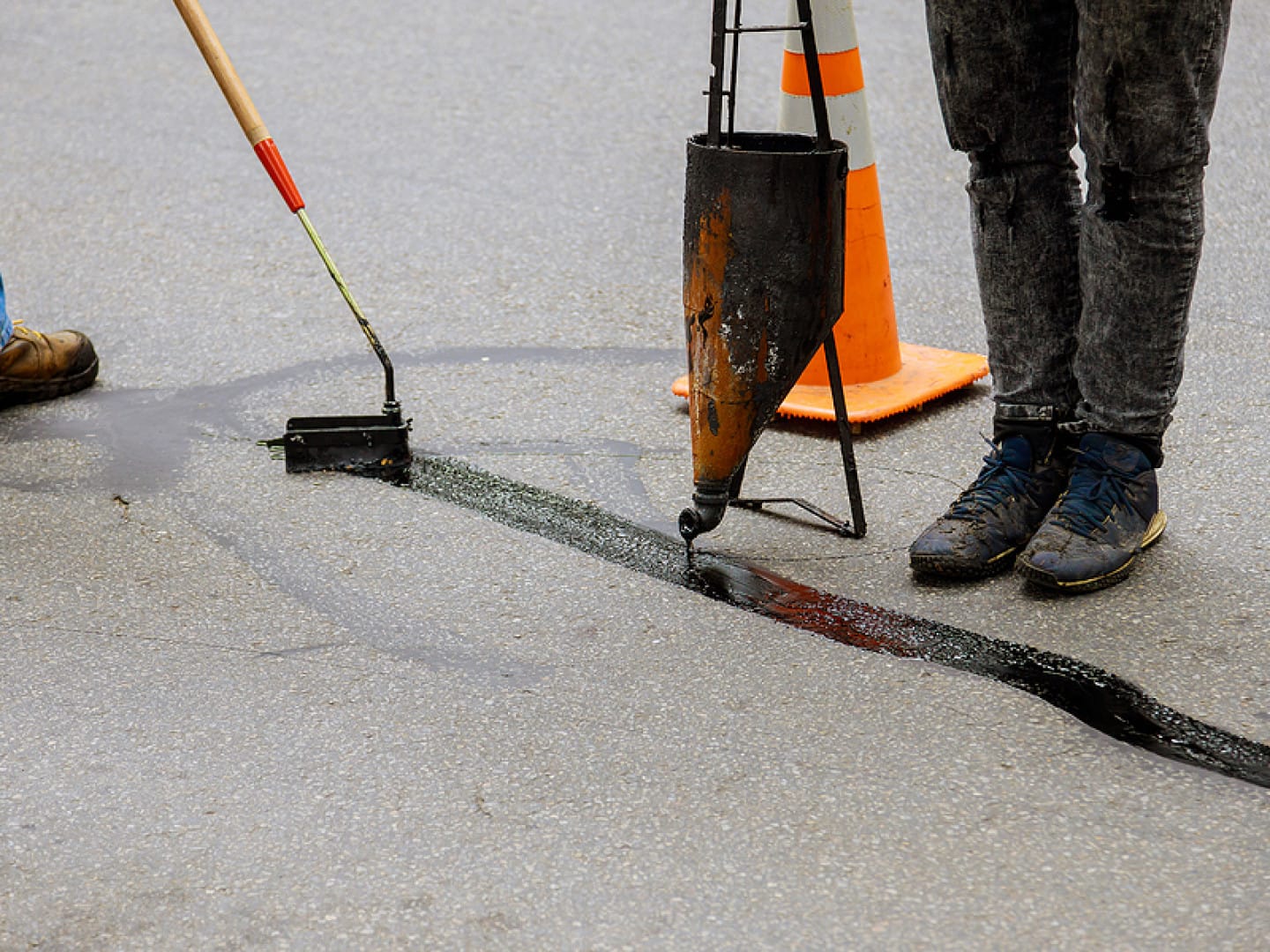
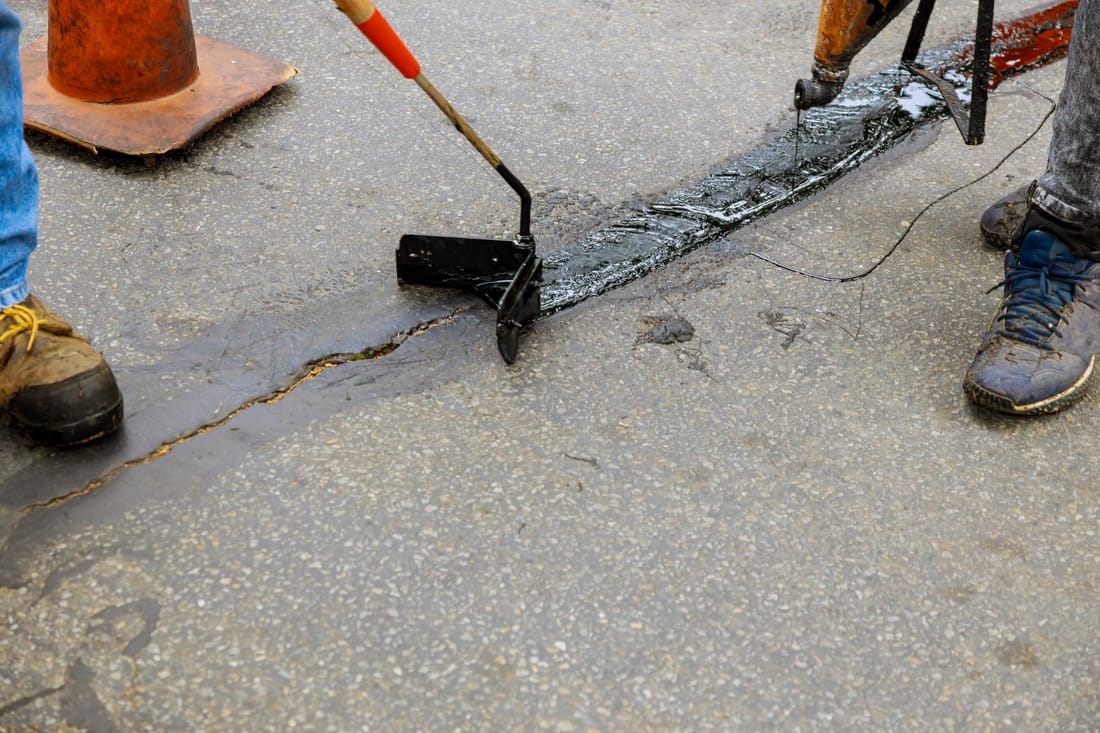
3. Crack routing and filling: For cracks typically 1/4 inch wide and up, we clean them out and, when needed, route them slightly wider and deeper to create a proper reservoir for the crack sealant. We then install a hot rubberized crack filler with a dedicated melter applicator. This product stays flexible in winter, expands and contracts with the pavement, and keeps water from getting underneath. Hairline cracks that are too small for filler are usually taken care of by the sealcoat itself.
4. Applying the sealcoat: Once the surface is clean and cracks are treated, we apply a coal tar or asphalt emulsion sealer, depending on your property needs, using a combination of spray and squeegee. On commercial lots we often squeegee the first coat to work the material into the surface, then spray a second coat for uniform coverage. Residential driveways may receive one or two coats depending on age and condition. We maintain the manufacturer specified coverage rate instead of stretching product, which is one of the main reasons cheaper jobs fail early.
5. Striping and re-opening: For parking lots, we can re-stripe in the same visit after the sealer has cured enough, typically within a few hours. We repaint layout lines, accessible parking, fire lanes, and any custom markings you use. We then advise you on when to reopen to traffic, usually 24 hours for light residential use and up to 48 hours for busy commercial lots with turning truck traffic.
Material options and what affects the price
Not every pavement in Indianapolis needs the same sealcoating approach. At Precision Asphalt Indianapolis, we explain the options and cost drivers so you can choose what makes sense for your property.
We typically use either coal tar based sealer or asphalt emulsion sealer. Coal tar products usually resist gas and motor oil better, which is helpful for gas stations, auto shops, or busy commercial lots. Asphalt emulsion products have lower odor and are sometimes preferred near retail entrances, restaurants, apartments, or medical facilities. Both types can be sand loaded to improve traction and wear. We can also add latex modifiers for better flexibility and to speed up curing when timing is tight.
Cost is influenced by more than just square footage. The number and size of cracks, the amount of prep needed, and access to the site all matter. A driveway or lot covered with dirt, moss, or heavy oil will take more labor and cleaning time than a well maintained surface. Lots with extensive crack routing or previous failed crack filler that must be removed will also cost more. If you choose a two coat system, the material and labor cost will be higher, but for older pavement and heavy traffic areas this often pays off through longer life and fewer repairs.
Layout and traffic patterns matter too. Tight areas that require more hand edging, buildings with multiple entrances that must stay partially open, or sites with constant car traffic (like small retail centers) may require phasing the work or scheduling off hours. That can affect total project time and cost, and we will spell that out in your written proposal so there are no surprises.
When we give you a price, we specify the sealer type, number of coats, estimated square footage, crack filling method, and any add ons like sand or latex. That way you can compare apples to apples if you receive more than one quote around Indianapolis.
Common problems we prevent and how we handle them
If you have ever seen a driveway where the sealcoat peeled off in sheets or turned gray and patchy in one winter, you have seen what happens when the basics are skipped. Precision Asphalt Indianapolis focuses on the small details that keep those issues from showing up a year later.
Poor bonding is one of the most common failures. It usually comes from applying sealer on a dirty surface, over fresh asphalt that has not cured, or on a day that is too cold and damp. Before we schedule your job, we confirm the asphalt age and check the forecast for temperature and humidity. On the day of work, we test the surface for moisture. If the pavement is still damp from an overnight storm or morning dew, we delay the application so the sealer does not trap that moisture below the surface.
Another common problem in Indianapolis is reflective cracking, where old unrepaired cracks show through the new coating within months. This happens when cracks are simply brushed over or filled with cheap, non elastic material. Our approach is to use hot rubberized crack filler on working cracks and to size the treatment to the crack width. We also avoid overfilling, which can create bumps that telegraph through the final surface.
Drainage issues show up quickly in our heavy Midwest rains. Areas where water constantly ponds will wear faster and can cause the sealcoat to break down. During our inspection we flag low spots where water collects. On small home driveways, this may just mean we explain that one puddle area will age faster and may need occasional touch up. For commercial properties, we might recommend patching, milling, or regrading a trouble spot before sealcoating so you do not waste money sealing over a chronic water problem.
We also pay attention to traffic control. Footprints, tire marks, and tracking into nearby buildings are common on rushed jobs. We use clear barricades and tape, talk with property managers about closing access points, and put up temporary signage so tenants, customers, and delivery drivers know where not to drive. Clear curing times are part of our closeout, so you are not guessing when to let vehicles back on.
What Indianapolis property owners should know before scheduling
If you are planning asphalt sealcoating and crack filling in Indianapolis, timing and preparation on your side will make the project go smoothly and help you get full value from the work.
First, plan ahead around your own busy periods. For apartment communities and office parks, sealcoating is easier when you can shift parking to one side at a time or schedule on weekends. Retail centers often prefer overnight or early morning work, with clearly staged sections so core parking stays open. Residential driveways should be scheduled when family vehicles can stay on the street or at a neighbor’s home for 24 to 48 hours.
Second, understand the realistic life cycle. In our climate, a well done sealcoat on a sound asphalt surface typically lasts about 3 years on most commercial lots and up to 3 to 4 years on a lightly used residential driveway. If someone tells you to sealcoat every single year, they are likely overdoing it. Too many layers can trap moisture and lead to flaking. Our team at Precision Asphalt Indianapolis will look at traffic levels, shade, and plowing history, then recommend an interval that matches how your pavement is actually used.
Third, expect some prep on your part. We ask property owners to remove vehicles, trailers, and portable basketball hoops, and to turn off irrigation the day before service. Sprinklers that kick on during curing can ruin a fresh job. If you manage a commercial site, we suggest sending a short notice to tenants about parking changes, towing enforcement for that day, and expected re opening times.
Finally, ask questions about products, application rates, and crack filling methods when you get quotes. A contractor who cannot tell you what material they are using or how many square feet per gallon they plan to cover is likely cutting corners. We put those details in writing. When you work with Precision Asphalt Indianapolis, you know exactly what is going down on your pavement, why we chose it for your property, and how long you can expect it to last before you need to think about the next maintenance cycle.