Home › Walkway and Pathway Paving
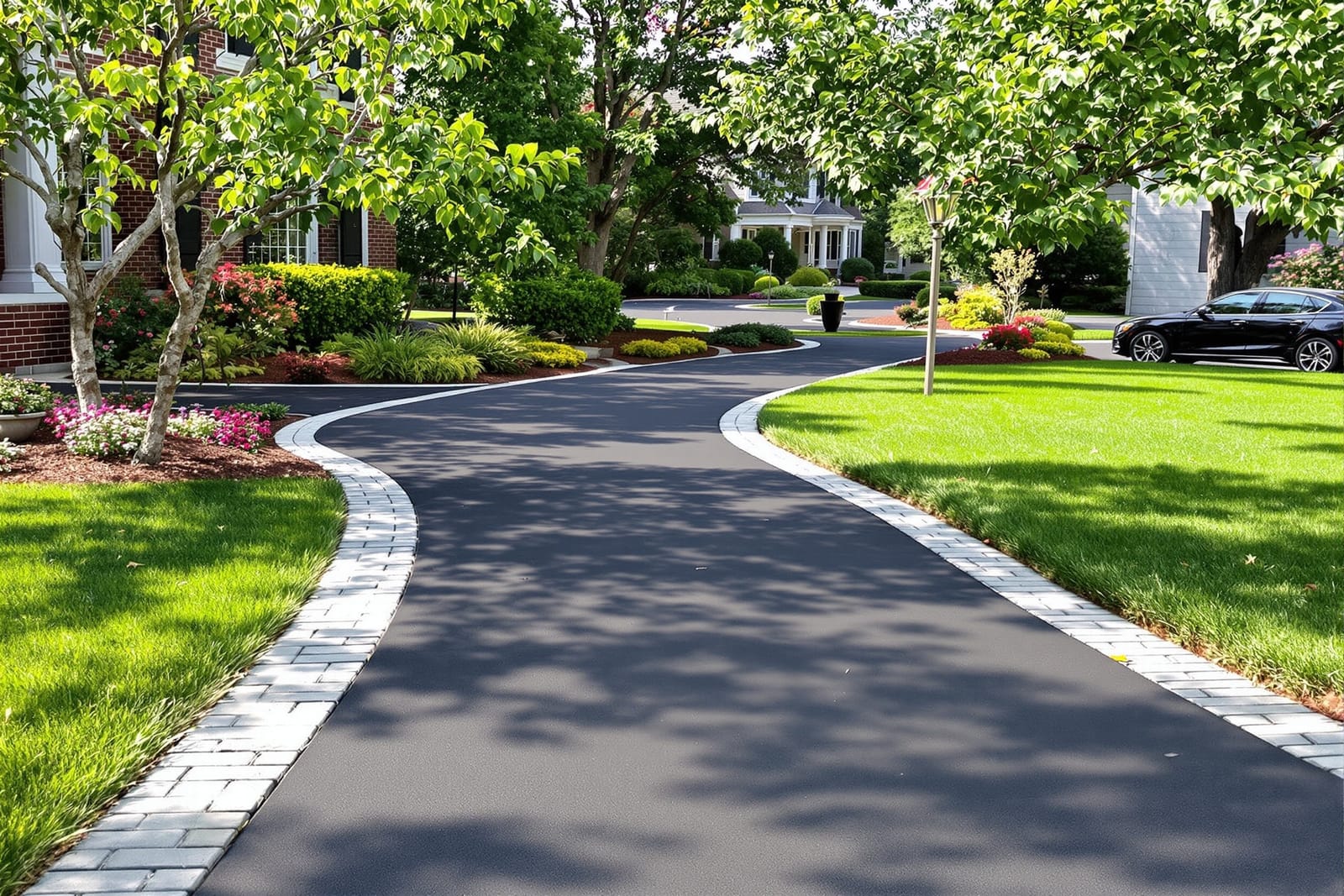
Precision Asphalt Indianapolis specializes in asphalt walkway paving in Indianapolis, IN for residential properties and shared spaces. We create smooth, even paths that improve accessibility around homes, gardens, and common areas. Our team designs each route for proper drainage and safe footing. Enhance your property with durable asphalt walkways that look clean and perform well in all seasons.
Precision Asphalt Indianapolis provides professional asphalt walkway paving throughout Indianapolis, IN, Indiana and the surrounding area. Our licensed, insured crew delivers safe, clean, on-time work with a free estimate before anything begins. Call (317) 793-2897 or request your free quote.
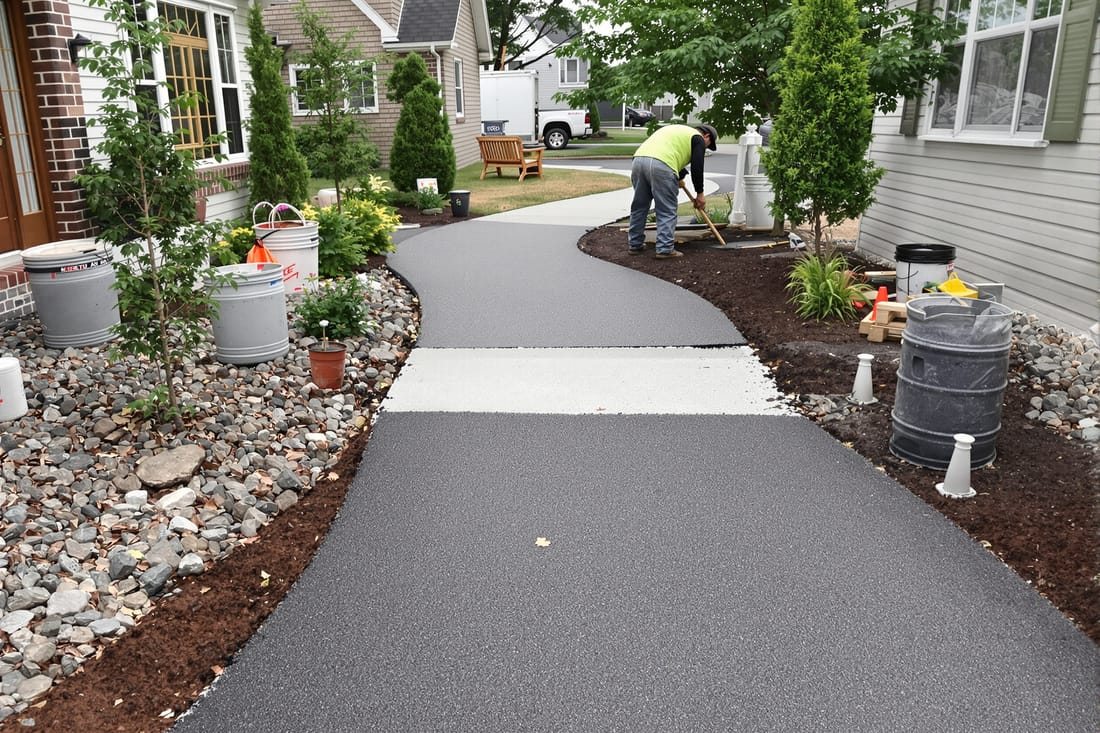
Asphalt Walkway Paving for Homes, Parks, and Businesses
Asphalt walkway paving is a straightforward way to get clean, safe paths that hold up to Indiana weather without a lot of maintenance. Precision Asphalt Indianapolis focuses on walkways and pathways that fit how people actually use your property, not just what looks good on paper. Whether you need a short front walkway, a long path around a commercial site, or a loop trail in a neighborhood common area, we plan the layout so it drains correctly and feels natural to walk on.
In Indianapolis, many older concrete walks have heaved, cracked, or settled from freeze and thaw cycles. Asphalt is flexible, so it moves with our climate better, which means fewer trip hazards over time. It also gives you a smoother surface for strollers, wheelchairs, and carts. We use commercial-grade hot mix asphalt for walkways, not leftover driveway material, so the finish is more uniform and better suited to foot traffic.
We start every walkway project by walking the site with you. We look at the slopes on your property, how water currently runs, and how people already cut across the lawn or parking lot. Then we talk about width, curves, and connection points to doors, patios, parking areas, or playgrounds. This way the new path follows the natural flow of your property and reduces muddy shortcuts through grass.
How We Install Asphalt Walkways and Pathways
Proper installation matters more than the asphalt itself. At Precision Asphalt Indianapolis, a typical asphalt walkway paving job starts with layout and excavation. We mark the path with paint and string, then remove grass, old concrete or broken asphalt down to a solid subgrade. For most walkways in Indianapolis, we dig 6 to 10 inches deep, depending on soil conditions and expected traffic.
Next we build the stone base. We use compacted crushed limestone, usually 4 to 8 inches thick, installed in lifts (layers) and compacted with plate compactors or small rollers. This step is critical on Indianapolis clay soils, which hold water and can soften after heavy rain. A strong, compacted base keeps the path from settling and forming puddles.
Once the base is set, we fine grade it to the final slope, usually a very slight crown or a subtle side slope so water runs off instead of sitting on the surface. For most walkways we aim for a 1 to 2 percent slope. Then we install forms or edge restraints where needed, especially along landscape beds or soft ground. These edges help hold the asphalt in place and give you clean lines.
We then place hot mix asphalt at a typical thickness of 2 to 3 inches after compaction. The mix is brought in hot, spread with small pavers or by hand for tight curves, and then rolled to a smooth, dense surface. We pay special attention at transitions where the path meets steps, door thresholds, curb ramps, or existing parking lots so there are no sudden lips that could cause trips or wheelchair issues.
The final step is compacting the asphalt with a roller and hand tamping edges. You can usually walk on the path the next day, sometimes the same evening in cooler weather. Full curing takes longer, but for foot traffic that is usually not a problem. We give you simple care instructions so you know what to expect the first few weeks.
Design Options, Widths, and Surface Choices
A good walkway is the right size and shape for how it will be used. Residential walkways in Indianapolis are commonly 3 to 4 feet wide so two people can pass comfortably. For commercial properties, schools, and parks, we often recommend 5 to 8 feet, especially where carts, wheelchairs, or groups of people will be using the path at the same time. We can also widen certain sections around doors or seating areas to prevent bottlenecks.
Curved walkways tend to look better in front yards and parks, and they help guide foot traffic naturally. Straight walks are more common alongside parking areas or between buildings where the goal is the shortest route. Precision Asphalt Indianapolis can also adjust the layout to save existing trees, utility boxes, or landscaped beds. In some cases we install small bump-outs for benches, bike racks, or trash receptacles.
Surface texture is another choice. Standard machine-rolled asphalt gives a smooth finish that works well for wheelchairs, walkers, and strollers. For steeper areas or shaded sections that tend to stay damp, we can leave a slightly more textured finish to improve traction. We also discuss options like color sealers, striping, or painted center lines for shared-use paths on larger properties.
Edge treatments make a big difference in long-term performance. In some yards, we taper the asphalt edge smoothly into the lawn so you can easily mow and avoid weed whip damage. In others, especially commercial or multi-family properties, we may recommend concrete or steel edging along beds to protect the path from erosion and keep mulch from spilling onto the surface.
If your walkway ties into ADA-accessible routes, we design slopes, landings, and transitions to meet current accessibility guidelines. That includes limiting slope, creating flat landing areas at doors and turns, and coordinating with concrete contractors if detectable warning panels are needed at street crossings.
What Affects Cost and Common Indianapolis Site Issues
For asphalt walkway paving in Indianapolis, cost is driven mainly by length, width, excavation depth, and how difficult the site is to access. A straight 3 foot wide path in an open yard costs less per foot than a winding path behind a building where every load of stone and asphalt has to be moved by machine or wheelbarrow. The thickness of the stone base and asphalt layer also affects price, especially on soft or saturated soils.
Soil conditions are a big factor in central Indiana. In many neighborhoods we run into heavy clay that holds water. If a walkway is planned through a low spot that already gets soggy, we may need extra base, underdrains, or grading to move water away from the path. Precision Asphalt Indianapolis will point these issues out during the site visit so you understand any added cost before we start.
Another cost driver is removal of existing materials. Breaking out old concrete and hauling it to a proper dump site takes more time and equipment than stripping sod. If the old walkway was not built with a good base, we often find pockets of soft or disturbed soil underneath. In those cases, we dig out the weak spots and rebuild the base so your new path does not follow the same failure pattern.
Tree roots are a common problem in Indianapolis neighborhoods with mature landscaping. Big roots close to the surface can buckle new pavement over time. We look for root issues during planning and may recommend shifting the path a little, adjusting the depth, or coordinating with an arborist. In some cases, installing a small root barrier makes sense to protect both the tree and the pavement.
Timing also matters. For best results we schedule most walkway and pathway paving from late spring through early fall when ground temperatures and air temperatures are warm enough for proper compaction. Early spring jobs may require extra attention to soft, thawing ground. We avoid paving over frozen or saturated soil since that almost guarantees early settlement and cracking.
What to Know Before You Hire and How We Work With You
Before you hire someone for asphalt walkway paving, it helps to have a rough idea of your route, width, and where the path should start and end. Walk the area and notice how water flows during rains, where people already walk, and any tight spots near fences, AC units, or landscaping. Having photos or a simple sketch ready makes our initial conversation faster and more accurate.
Ask about base thickness, compaction, and drainage, not just asphalt thickness. A contractor who skips base work or does not compact in layers may offer a lower price, but you will likely see rutting and puddles within a few seasons. Precision Asphalt Indianapolis spells out base depth, asphalt thickness, and how we handle water runoff in your proposal so you know exactly what is included.
You should also ask what equipment will be used and how the crew will access the work area. For walkways behind homes or inside fenced facilities, we usually bring smaller machines that fit through gates and minimize turf damage. We also explain where trucks will park, how materials will be staged, and how we protect nearby landscaping.
During the job, expect some noise from compactors and saws, along with short-term access limits where we are working. We coordinate with you or your property manager so residents, staff, or customers know which routes will be closed and when they will reopen. For businesses, we often split work into phases so there is always a safe way in and out.
After the path is installed, basic care is simple. Keep heavy vehicles off the walkway, clean off de-icing salt and fertilizer when possible, and have cracks sealed before they widen. In Indianapolis, we generally suggest a sealcoat after the first year on higher traffic paths, then every few years as needed. If you are not sure what your walkway will need, we give you a maintenance plan tailored to your site and use.