Home › Industrial and Heavy-Duty Asphalt Paving
Precision Asphalt Indianapolis specializes in industrial asphalt paving in Indianapolis, IN for facilities that handle heavy loads and constant traffic. We design thicker sections and stronger bases for truck yards, loading docks, and warehouse drives. Our team evaluates turning movements, standing loads, and drainage to build pavements that resist rutting and failure. Protect operations with asphalt built for industrial demands.
Precision Asphalt Indianapolis provides professional industrial asphalt paving throughout Indianapolis, IN, Indiana and the surrounding area. Our licensed, insured crew delivers safe, clean, on-time work with a free estimate before anything begins. Call (317) 793-2897 or request your free quote.
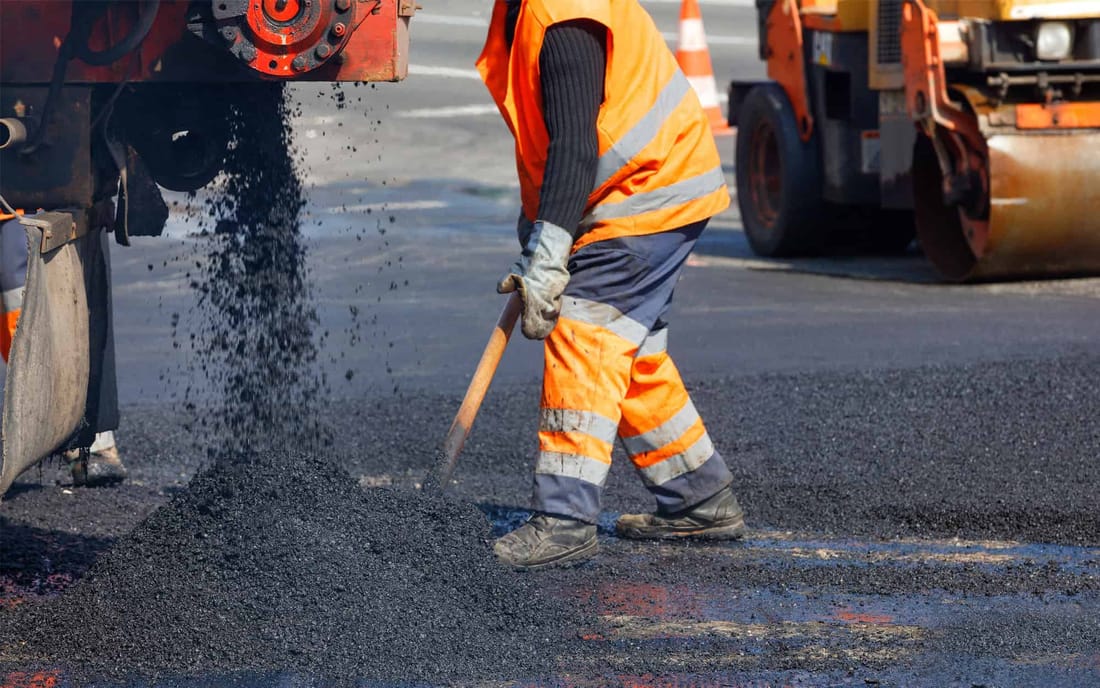
Industrial Asphalt Paving for Demanding Indianapolis Sites
Industrial and heavy-duty asphalt paving is very different from a basic parking lot or driveway. At Precision Asphalt Indianapolis, we design pavements that stand up to semi traffic, forklifts, loaded trailers, and constant turning in tight yards. That means thicker sections, stronger stone base, and mix designs that match the way your site is actually used.
In central Indiana, the freeze-thaw cycles, heavy spring rains, and wide temperature swings punish industrial pavement. If the base under your asphalt was not built for that, you get ruts in truck lanes, pumping at joints, and potholes where trailers sit for long periods. Our crews work all over Indianapolis and surrounding industrial parks, so we know where soils soften after a wet week, which areas have old fill or buried debris, and how local drainage patterns can ruin a new pavement if they are ignored.
When you call Precision Asphalt Indianapolis, we start by asking how your site operates. Do you run 24/7? Where do trucks queue and turn? Do you use heavy forklifts on dock aprons? Answers to those questions guide everything that follows, from pavement thickness to where we reinforce areas like dumpster pads and fueling stations. The result is not just a thicker blacktop, it is a pavement system designed around your exact industrial use in Indianapolis.
How Heavy-Duty Asphalt Paving Is Built Step by Step
A successful industrial asphalt project starts with site evaluation. We walk the property with you, probe the existing surface, and if needed, coordinate soil testing to find out whether we are working over native clay, compacted fill, or an old pavement section. In many Indianapolis industrial zones, we run into old cinder or construction debris under asphalt. We identify those weak spots before they cause failures.
Next, we address grading and subgrade preparation. Soft or pumping areas are undercut, then rebuilt with compacted aggregate. For heavy-duty lanes and loading zones, we typically install a thicker stone base than you would see in a retail parking lot, and we proof-roll it with a loaded truck so you can see how it performs under weight. If the base deflects, we fix it then, not after the asphalt is down.
Once the base is solid and graded for drainage, we install binder and surface courses. Industrial sections usually include a heavier binder course (the structural layer) with a dense graded asphalt mix, followed by a high quality surface mix that balances skid resistance and durability. In very high stress areas like dumpster pads or extremely tight turning radii, we may recommend either an extra asphalt layer, a high polymer mix, or a reinforced concrete insert that ties neatly into the asphalt so you avoid edge breakdown.
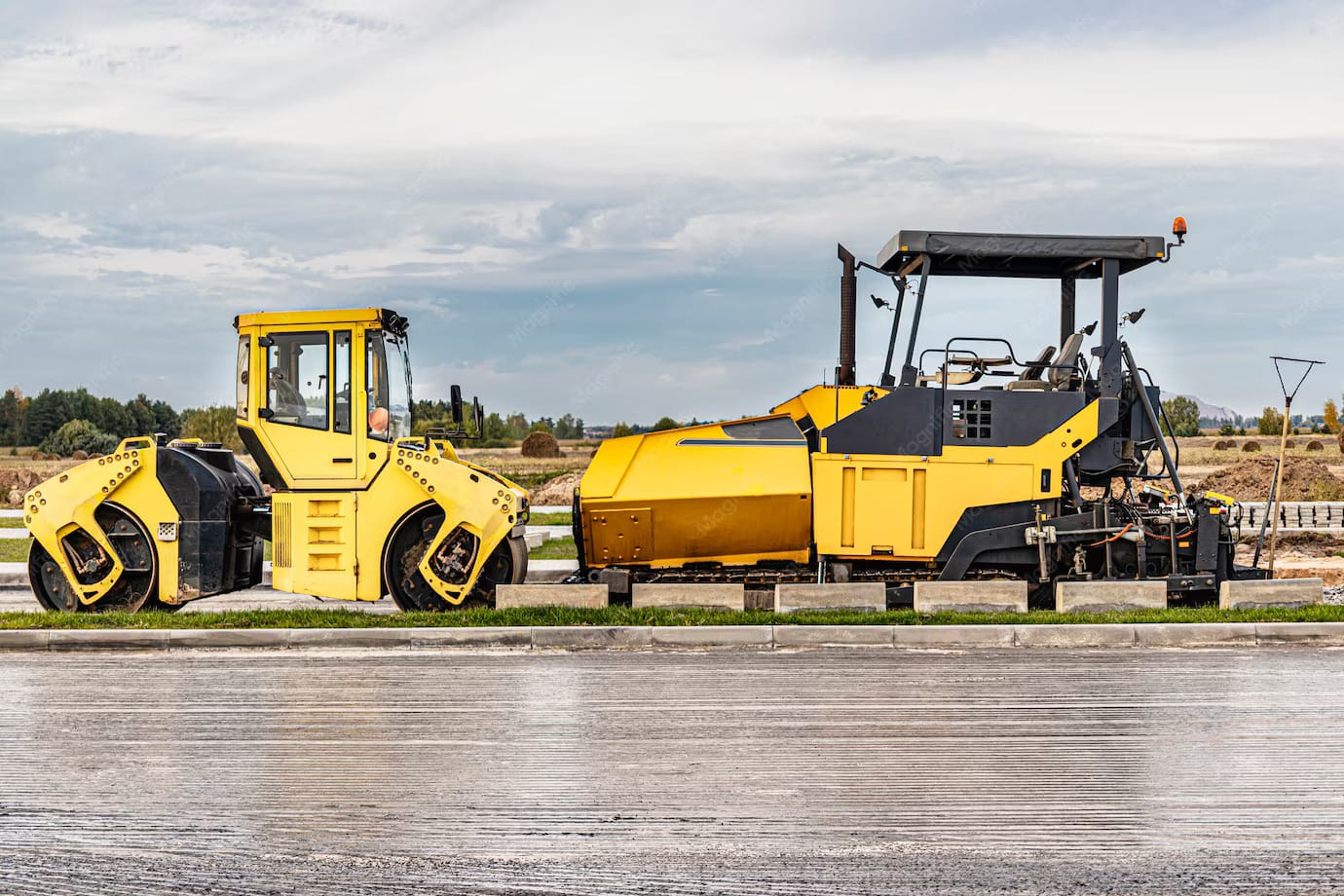
Compaction is what gives your pavement strength. Our crews use steel drum and pneumatic rollers to achieve target density, and we adjust rolling patterns based on the temperature and mix design. Every pass is about closing air voids so your industrial asphalt can handle heavy axles without deforming.
Design Options, Thickness, and What Drives Your Cost
With industrial asphalt paving, most of your cost is driven by thickness, base quality, and how much preparation is needed to correct existing issues. A simple mill and overlay on a structurally sound surface will be less expensive than a full-depth reconstruction with undercuts and drainage work. We break these scenarios out clearly in our proposals so you can see where every dollar is going.
For light to moderate truck traffic, we might design a pavement with 8 to 10 inches total structure (base plus asphalt). For heavy distribution centers or trash transfer sites around Indianapolis, we often increase that to 12 inches or more, and thicken areas where trucks stop, start, and turn. Dock aprons, dumpster pads, and fuel areas usually get special treatment because they see constant loading and potential chemical drips.
Material choices also affect cost and performance. Higher performance mixes with polymer modification cost more up front, but on a site where rutting or shoving has been a historical issue, they often pay for themselves in reduced repairs. In high visibility industrial campuses near I-465 or I-70, owners sometimes prefer a finer surface mix for a smoother look at the entrance, while keeping heavier mixes in the back-of-house truck courts. We can phase those options to keep your budget on track.
Another cost factor in Indianapolis is access and staging. If your operation cannot shut down, we phase work by bays, truck lanes, or shifts. Night or weekend work can slightly increase labor costs, but it may be the best value if it keeps your shipping or production lines moving without interruption. Precision Asphalt Indianapolis will walk you through several staging plans so you can pick the one that makes the most financial sense.
Common Industrial Pavement Problems and How We Fix Them
If you already have an industrial pavement that is failing, we look for root causes before recommending anything. Shallow patching over deep structural problems is how facilities end up repaving every few years. In Indianapolis, we often see three main failure patterns: rutting in wheel paths, alligator cracking in loading areas, and edge failures along dock bays or dumpster pads.
Rutting usually tells us the asphalt or base was under-designed for your truck traffic or that compaction was inadequate. The fix may be to mill out the rutted areas deeper, rebuild the base, then install a thicker binder course and a stable surface mix. Alligator cracking is a classic sign of structural failure. In those areas, we typically perform full-depth reclamation or remove and replace the section, improve the base, and increase thickness based on the loads you are seeing now, not what the designer guessed ten years ago.
Edge failures at docks or dumpster pads are often caused by concentrated loads right at the pavement edge. We eliminate those by adding reinforced concrete pads, thickened asphalt edges, or concrete encasements where necessary, then tying them into the surrounding asphalt with proper joints and sealants. Oil and chemical damage, which is common around industrial maintenance yards, can often be managed with targeted removals and replacement combined with sealers rated for those exposures.
Because we work across Marion County and nearby industrial corridors, we are familiar with how older pavements in this region were built. That history helps us predict what is hiding beneath your surface so we can design repairs that actually last.
Planning, Scheduling, and Working Around Your Operations
Industrial projects in Indianapolis rarely have the luxury of shutting down for a week. Precision Asphalt Indianapolis plans every heavy-duty asphalt job around your workflow, not the other way around. We coordinate with your shipping manager or plant supervisor to map critical access routes, high traffic times, and safety requirements.
We often divide an industrial site into zones, such as inbound truck lanes, outbound lanes, employee parking, and loading courts. Each zone gets its own schedule, traffic control plan, and staging area for materials and equipment. For example, we might complete inbound lanes during a weekend, then handle outbound lanes at night so your docks keep moving during the day. Clear signage and flaggers keep drivers informed and safe.
Permitting and inspections in Indianapolis and surrounding municipalities are also part of the process. We can assist with required permits, coordinate with utilities if there are manholes or drains in the work area, and ensure that drainage structures are adjusted to the new surface elevation. After paving, we handle striping, signage, and any wheel stops or bollards you need so the site is fully functional when we leave.
Before final billing, we walk the project with you to review joints, transitions, and drainage. You get maintenance recommendations tailored to your site, including how often to crack seal, when to consider sealcoating for lighter duty areas, and what warning signs to look for in high load zones. The goal is to give you an industrial asphalt pavement that fits your operation today and holds up to the demands of tomorrow.