Home › Speed Bumps, Curbs, and Asphalt Accessories
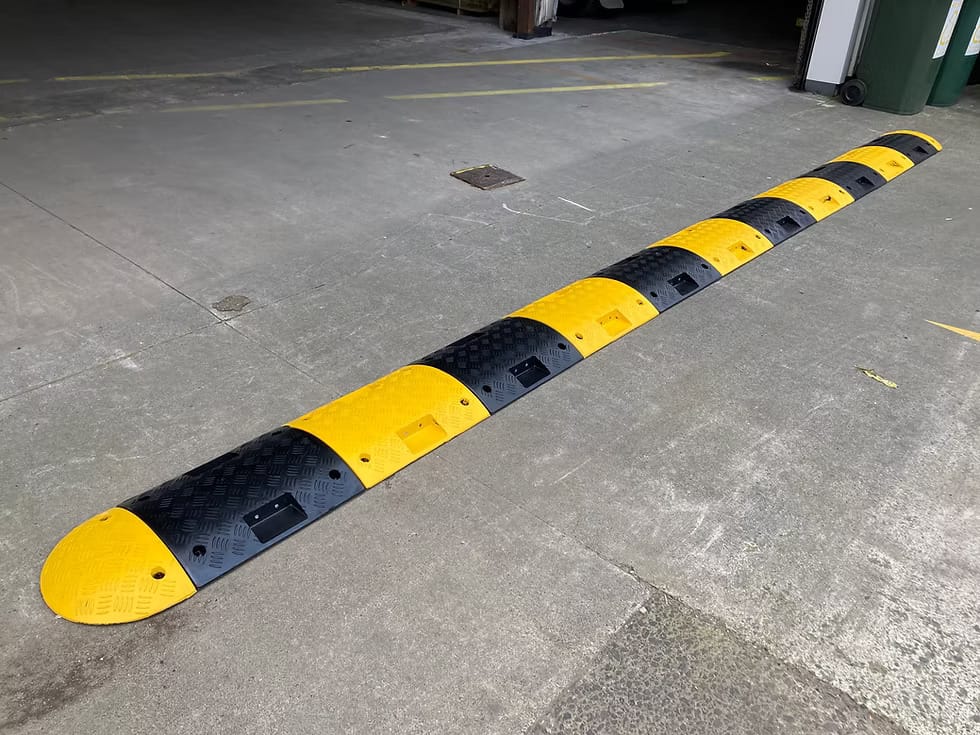
Precision Asphalt Indianapolis offers speed bump installation in Indianapolis, IN to control traffic speeds in lots and private drives. We install asphalt or pre formed bumps, curbs, and other accessories to guide vehicles and protect pedestrians. Properly placed features can reduce accidents and improve property organization. Enhance safety on your site with well designed traffic calming and asphalt accessories.
Precision Asphalt Indianapolis provides professional speed bump installation throughout Indianapolis, IN, Indiana and the surrounding area. Our licensed, insured crew delivers safe, clean, on-time work with a free estimate before anything begins. Call (317) 793-2897 or request your free quote.
Speed bump installation and asphalt accessories tailored to Indianapolis properties
When you add speed bumps, curbs, and other asphalt accessories, you are not just checking a safety box. You are controlling the way people actually drive and walk on your property. Precision Asphalt Indianapolis designs and installs these features so they fit the way your site is used, not the other way around.
We start every speed bump installation or curb project with a site walk-through. We look at traffic flow, blind spots, building entrances, ADA paths, drainage, and where people already tend to speed or cut corners. For Indianapolis clients, that might mean the back lane behind a Broad Ripple retail building, the entrance to a Geist neighborhood, or the delivery route at an industrial site on the west side. Our goal is to slow traffic where it is risky without creating winter plowing headaches or standing water problems.
Because we work only in central Indiana, we design with local conditions in mind. That means planning for plows, salt, wide temperature swings, and freeze-thaw cycles. The shape, height, and materials we recommend for your speed bump or curb will reflect that experience, so you get features that last more than one tough winter.
How professional speed bump installation actually works
For speed bumps on existing asphalt, Precision Asphalt Indianapolis usually follows a four step process: layout, sawcut and surface prep, installation, and finishing. First we paint out exact locations based on our plan, then review them with you to be sure emergency vehicles, trash trucks, and delivery routes are not compromised.
On paved surfaces, we sawcut or grind the existing asphalt so the bump can tie in cleanly. This prevents a sudden edge that plow blades can hook and reduces the chance of the bump raveling apart. We sweep and power blow the area, then apply a tack coat so new asphalt bonds tightly to the old surface.
For asphalt speed bumps, we place hot-mix asphalt in lifts, shape it with asphalt lutes, and compact with plate compactors or small rollers. The height and length are matched to your needs and jurisdiction. In many Indianapolis parking areas, we recommend 2.5 to 3 inch high bumps with long, tapered approaches so normal cars clear easily but speeds still drop. We check cross-slope so water does not pond behind the bump.
Once the asphalt cools, we apply reflective traffic paint or thermoplastic striping so the bump is visible at night and in rain or snow. When appropriate, we add reflective markers or flexible guide posts near entries and exits to warn drivers early. Before we leave, our crew walks each bump and checks for gaps, loose aggregate, and clean tie-ins to your existing pavement.
Curbs, wheel stops, and other asphalt accessories we install
Speed bumps are only one part of a safe, well controlled site. Precision Asphalt Indianapolis also installs and repairs concrete curbs, extruded asphalt curbs, and wheel stops, along with related accessories like bollards and sign bases.
Concrete curbs are common along drive lanes and landscape islands. They help channel water, protect turf, and keep cars from rolling into pedestrian areas. For residential communities, we often recommend a standard 6 inch vertical curb. For commercial sites that see heavy trucks, we may suggest a heavier duty profile with more mass at the base. After excavation, we set forms, place rebar where needed, and pour air entrained concrete suited to Indianapolis freeze-thaw cycles. Joints are cut at regular intervals to control cracking, then sealed if appropriate.
Extruded asphalt curbs work well on lots where you want a raised edge without the cost of full-depth concrete. We install these by placing a narrow strip of hot asphalt along the pavement edge, then shaping it with a special extrusion machine. The curb is compacted and bonded to the underlying asphalt with tack coat. These are common around older industrial properties and some HOA roads where budgets are tight but edge definition is important.
Wheel stops (parking blocks) are another accessory we handle. We can supply and install concrete, recycled rubber, or plastic stops, drill and pin them into the pavement, and align them with ADA stalls and building entrances. We also look at snow plow routes so the stops are placed where they will not become plow obstacles.
What affects the cost of speed bumps, curbs, and site accessories
There is no one price fits all for speed bump installation or curb work, but the cost drivers are straightforward. Precision Asphalt Indianapolis explains these upfront so you know what you are paying for.
Quantity and length are the biggest factors. A single 12 foot bump in a small lot costs more per foot than several bumps installed during a larger paving or sealcoating project, because crew mobilization, traffic control, and setup do not change much between one bump and ten.
Existing pavement condition matters as well. If your lot is heavily cracked or oxidized, we may need to patch or reinforce the base before installing bumps or curbs. Otherwise, the accessory will outlast the surrounding pavement and begin to break away at the edges. In some cases, we will recommend combining speed bump installation with mill and overlay work so the entire surface ages at the same rate.
Material choices also influence price. Asphalt bumps tied into the pavement are generally more durable in Indianapolis winters than bolt down plastic speed bumps, but they require more labor and equipment. Concrete curbs cost more upfront than extruded asphalt edging, but they handle snowplow contact and truck traffic better over time. We walk you through options with realistic life expectancy so you can compare true long term cost, not just the initial invoice.
Finally, traffic control and timing play a role. If the work must be done during off hours or overnight so a busy lot stays open during business hours, we plan for lighting, barricades, and possibly police details for large sites. That additional planning is reflected in the estimate, and we spell it out clearly before any work begins.
Designing layout for safety, drainage, and winter in Indianapolis
Putting a speed bump in the wrong spot can cause more problems than it solves. Precision Asphalt Indianapolis spends time on layout because our climate and local driving patterns demand it.
We look at grades and existing drains so speed bumps and curbs do not trap water. Water that ponds in front of a bump during a fall rainstorm can turn into a sheet of ice during a sudden overnight freeze, which is a real risk in Indianapolis shoulder seasons. We adjust the profile or add small weep cuts to maintain drainage paths while still slowing traffic.
We also consider snow and ice removal. Plow drivers in central Indiana are used to certain types of lots, but abrupt plastic or metal speed bumps can catch cutting edges. When we install permanent asphalt bumps, we design gradual approaches and educate your plowing contractor on the locations and profiles. For some clients, especially where plows must clear quickly, we may suggest seasonal or removable traffic calming devices instead of permanent bumps.
Emergency access is another design concern. We discuss routes for fire trucks and ambulances and coordinate with your property manager so critical paths stay clear of aggressive bumps. In some multi building sites, we use raised pedestrian crosswalks or wider, lower humps near building entries, and reserve taller bumps for secondary lanes where speed control is the priority.
What Indianapolis customers should know before hiring a contractor
Before you hire anyone for speed bump installation or curb work, it helps to ask a few specific questions. Precision Asphalt Indianapolis encourages you to ask these of us and of any other contractor you consider.
First, ask how they prepare the existing pavement and how they tie new work into old asphalt. If the answer does not include cleaning, tack coat, and some form of sawcut or mechanical key, the installation may not bond well. Poor preparation shows up within one or two freeze-thaw cycles as cracking around the bump or curb.
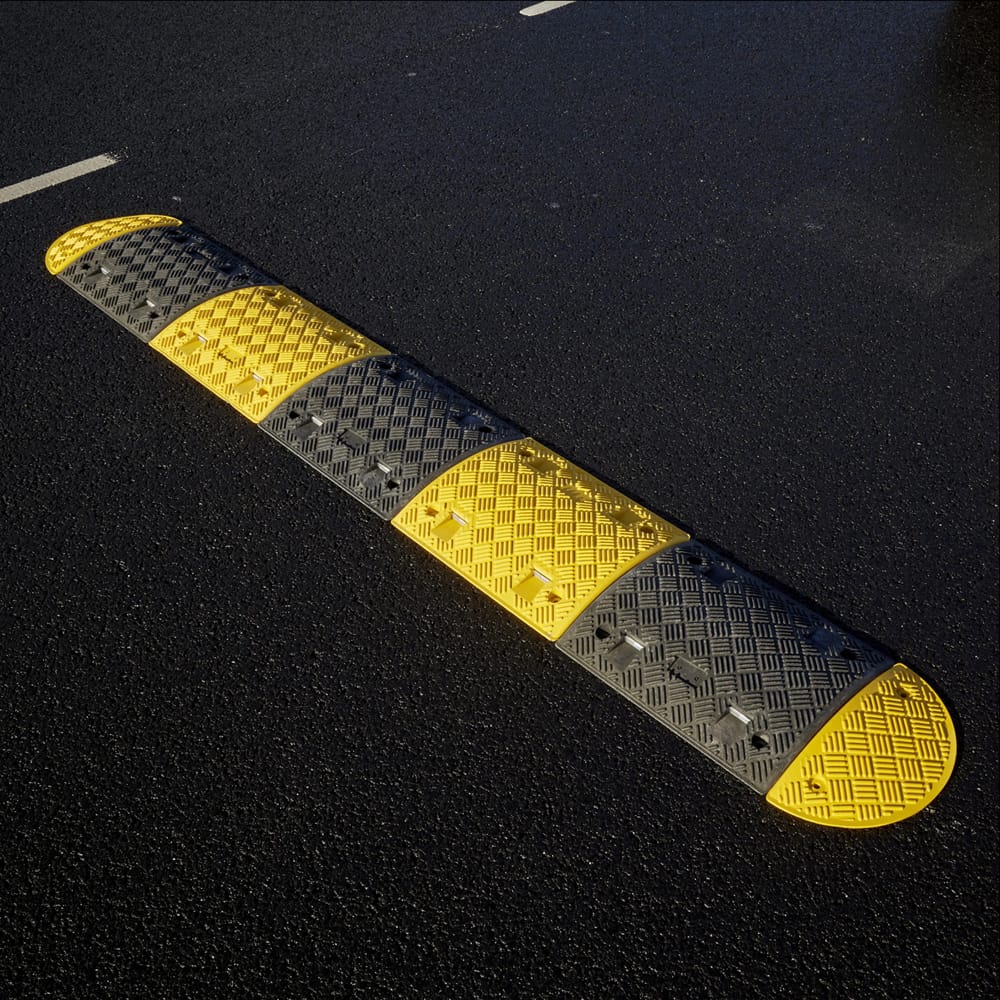
Second, request details on materials. You should know whether your speed bumps will be hot-mix asphalt, preformed rubber, or modular plastic, and what type of concrete mix will be used for curbs. For Indianapolis, materials should be rated for freeze-thaw durability, and any anchoring hardware for wheel stops or bolt down bumps should be corrosion resistant.
Third, talk about timing. Many local businesses schedule this work between late April and early October, when asphalt plants are fully open and temperatures support proper compaction and curing. We can work outside that window for some accessories, but we will explain the tradeoffs if temperatures are marginal.
Finally, ask for a clear scope and warranty in writing. Our proposals at Precision Asphalt Indianapolis spell out locations, quantities, profiles, materials, traffic control responsibilities, and how long we stand behind our work. That way, you know exactly what to expect on installation day and in the years that follow.