Home › Gravel-to-Asphalt Conversions
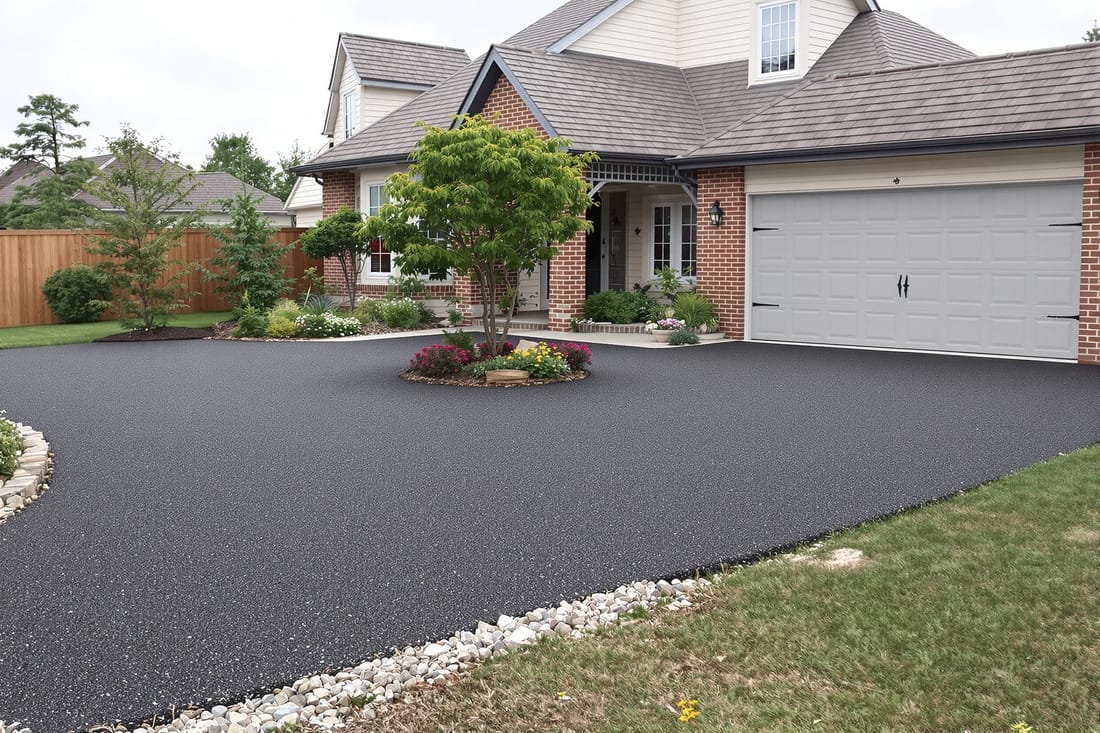
Precision Asphalt Indianapolis completes gravel to asphalt driveway projects in Indianapolis, IN to eliminate dust, ruts, and mud. We evaluate your existing gravel base, shape and compact it, then install a properly thick asphalt surface. Our team focuses on grading and drainage so your new driveway sheds water and stays solid. Enjoy a cleaner, easier to maintain entrance with a professionally paved asphalt drive.
Precision Asphalt Indianapolis provides professional gravel to asphalt driveway throughout Indianapolis, IN, Indiana and the surrounding area. Our licensed, insured crew delivers safe, clean, on-time work with a free estimate before anything begins. Call (317) 793-2897 or request your free quote.
Turn Your Gravel Driveway Into Smooth Asphalt in Indianapolis
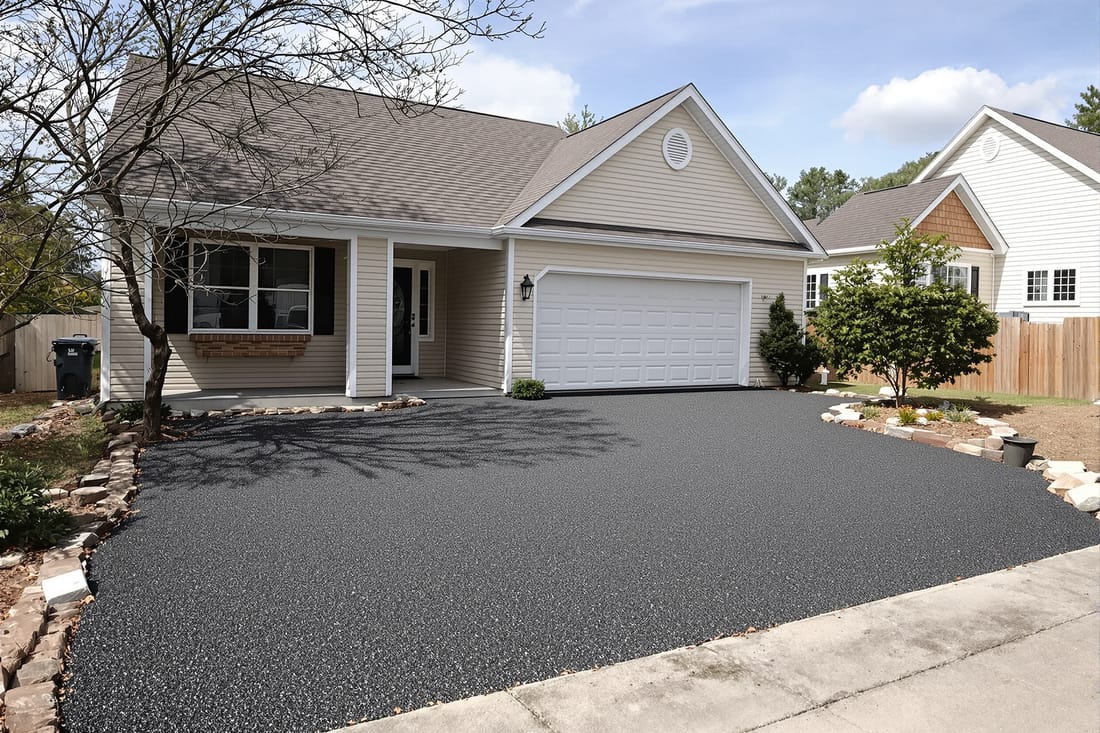
A gravel driveway in Indianapolis can be dusty in July, muddy in March, and full of ruts after every freeze-thaw cycle. Precision Asphalt Indianapolis specializes in converting those uneven gravel drives into smooth, long-lasting asphalt surfaces that are easier to drive on, easier to plow, and cleaner for your home.
Our team focuses specifically on gravel to asphalt driveway projects throughout Indianapolis and the surrounding suburbs, from older neighborhoods with narrow alleys and carriage-house drives to newer subdivisions with long shared lanes. We understand how local soil conditions, city drainage requirements, and Indiana weather affect your new pavement, and we design your conversion with those realities in mind.
On this page, we explain how the conversion process actually works, what affects cost, what design options you have, and what you should ask any paving contractor in Indianapolis before you sign a contract.
Site Evaluation: What We Check Before Converting Gravel to Asphalt
A successful gravel to asphalt driveway project starts with a careful site evaluation. Precision Asphalt Indianapolis begins by walking the full length of your drive, not just the visible ruts, to understand the existing base and drainage.
We test how deep the packed gravel layer is, how it sits on the subgrade, and whether the soil is more clay-heavy (common on the south and east sides of Indianapolis) or better-draining loam (seen more often in older north-side neighborhoods). Clay soils move more with freeze-thaw cycles, so they often need thicker stone base or underdrains for a stable asphalt surface.
We also look at:
• Water flow: Where rain and snowmelt go today, whether it runs toward your house, your garage slab, or the street. In Marion County, poor driveway drainage can lead to standing water at the sidewalk or curb, which shortens pavement life and can violate local codes.
• Existing utilities: Many older Indianapolis homes have shallow gas lines or buried electric running alongside the drive. We call in utility locates and adjust our excavation depths so your new asphalt is built safely around those lines.
• Access and turning areas: If you regularly back a trailer into your garage off a narrow alley, or if delivery trucks use your drive, we may recommend wider flares at the street or thicker asphalt at turning points to resist shoving and rutting.
After the evaluation, we provide clear recommendations, including base thickness, asphalt thickness, and any drainage improvements we consider necessary, not just optional upgrades.
Base Preparation: Turning Loose Gravel Into a Solid Foundation
Most gravel to asphalt driveway failures in Indianapolis can be traced back to shortcuts in the base. Precision Asphalt Indianapolis treats your existing gravel as a starting point, not a finished foundation.
First, we strip off any organic material that has worked its way into the gravel layer: topsoil, roots, and mud. These soft spots are common along the edges where lawn has crept into the drive. If we leave them, the new asphalt will crack or sink along those lines.
Next, we regrade and re-shape the drive. Using grading equipment, we establish the correct crown or cross slope so water sheds to the sides instead of pooling in the middle. For drives that run alongside older basements or garages, we pitch the surface away from the structure to reduce seepage.
If the existing gravel layer is too thin or uneven, we add new compactable aggregate (typically an INDOT-spec 53s or similar) and place it in controlled lifts. Each lift is compacted with a vibratory roller so the base behaves like a single dense layer, not a loose pile of stone.
In areas with soft subgrade, such as low spots that stay wet after rain or sections near downspouts, we may install geotextile fabric under the base stone or add extra stone depth. This prevents the stone from punching down into the soil over time, which is a common issue in older Indianapolis properties with poor original drainage.
Our goal at this stage is simple: create a firm, uniform, well-drained platform that will support asphalt for 15 years or more instead of just a few seasons.
Asphalt Installation: Thickness, Mix Options, and What You Can Expect
Once the base is properly prepared and compacted, Precision Asphalt Indianapolis installs your new asphalt surface. For most residential gravel to asphalt driveway conversions in Indianapolis, we recommend a compacted asphalt thickness of 2.5 to 3 inches for standard car and light truck traffic. If you park heavier work trucks, RVs, or equipment, we may specify 3 to 4 inches or a two-lift system (binder course plus surface course).
We use hot-mix asphalt from local Indianapolis plants, selected for the application and expected traffic. A typical residential surface mix uses smaller aggregate that compacts tightly and provides a smooth, finished appearance. In areas with steeper slopes or frequent braking, we can recommend a mix with slightly coarser aggregate for added traction.
The asphalt is delivered by truck, placed with a paver where access allows, and hand-worked in tight or confined areas near garages, fences, or city alleys. While we place, our crew keeps a continuous eye on pitch and thickness, making small adjustments so low spots do not form.
Compaction is critical. We use steel drum rollers for the main passes and plate compactors along edges and against concrete slabs. Proper compaction locks aggregate together and reduces air voids, which means fewer cracks and ruts over time. When your driveway is complete, the surface will be firm enough to walk on almost immediately.
We will advise you on when to drive on the new asphalt, typically after 24 hours for passenger vehicles in moderate temperatures. In peak summer heat, we may suggest a little more time so the surface can cool and stiffen properly.
Common Gravel-to-Asphalt Issues in Indianapolis and How We Address Them
Indianapolis has a specific set of conditions that affect gravel to asphalt driveway projects: heavy freeze-thaw cycles, clay soils, and many older homes with drainage that was never designed with modern pavement in mind. Precision Asphalt Indianapolis plans for these challenges instead of reacting to them later.
Frost heave and cracking: Drives with poor subgrade support or trapped water will show heaving in winter and alligator cracking later. We mitigate this by improving drainage, using proper stone depth, and compacting in layers. In particularly problem-prone stretches, we may recommend underdrains or more aggressive grading to keep water away from the drive.
Tracking and edge breakdown: A new asphalt drive that transitions straight into soft lawn can crumble along the edges, especially where delivery trucks or service vehicles roll off the side. We can add stone shoulders, widen the paved area in tight spots, or create a compacted topsoil and seed edge with gradual slope to support the asphalt.
Water at the garage or house: Some older Indianapolis homes sit just a few inches above the existing gravel. When converting to asphalt, we must respect that limited elevation so water does not run back into the structure. We may lower the base near the garage, add a trench drain, or slightly reconfigure the approach slope to preserve positive drainage.
Alley and apron transitions: Many city properties connect to worn alleys or aging concrete aprons. We feather the new asphalt carefully into these existing surfaces to avoid trip edges and standing water, and we discuss with you whether any city permits or coordination might be needed for work in the right of way.
Pricing, Timelines, and What Drives the Cost of Your New Driveway
Every gravel to asphalt driveway in Indianapolis has its own site conditions, so we do not quote ballpark numbers without seeing the property. Precision Asphalt Indianapolis builds detailed estimates around the real work required.
Key factors that influence cost include:
• Length and width of the driveway, including any parking pads or turnarounds.
• Base preparation needs, such as how much additional stone is required, how much grading is involved, and whether geotextile fabric or underdrains are needed in soft areas.
• Asphalt thickness and mix type, based on whether this is light residential use or heavier commercial-style traffic.
• Access limitations, like narrow side yards, tight alleys, or obstacles that require more hand work and smaller equipment.
Most standard residential gravel to asphalt driveway conversions can be completed in one to two working days once we begin, depending on weather and complexity. Base-heavy projects, especially those needing drainage improvements, may take an additional day.
Our written proposal outlines each step: excavation, base work, compaction, asphalt placement, and cleanup, along with the thicknesses and materials we plan to use. This lets you compare us to other Indianapolis contractors on more than just price. You can see exactly where quality is, and where shortcuts would show up.
What to Ask Before You Hire and How to Get Started
Before you commit to any gravel to asphalt driveway contractor in Indianapolis, it is worth asking a few direct questions. Precision Asphalt Indianapolis encourages you to use the same checklist on us.
• How will you handle drainage so water does not pool or run toward my house or garage?
• What base stone depth will you install, and will you compact it in lifts with a roller?
• How thick will the asphalt be after compaction, and will it be a single lift or multiple lifts?
• What mix design will you use, and is it appropriate for my traffic and local conditions?
• How will you protect adjacent concrete, landscaping, and structures during construction?
Careful answers to these questions separate experienced gravel to asphalt driveway specialists from general contractors who simply spread asphalt over whatever is there.
When you contact Precision Asphalt Indianapolis, we schedule an on-site visit, inspect your existing gravel drive, take elevations, and discuss how you use the space day to day. We then provide a written plan with pricing, timeline, and any options, such as thicker pavement for heavy vehicles or small layout changes that could improve parking and snow removal.
If you are ready to stop dealing with dust, mud, and constant ruts, a well-built asphalt driveway can be one of the most noticeable upgrades you make to your Indianapolis property. Our team is ready to walk you through each step of the conversion and deliver a surface that holds up to Indiana weather and real-world use.