Home › Private Road and Lane Paving
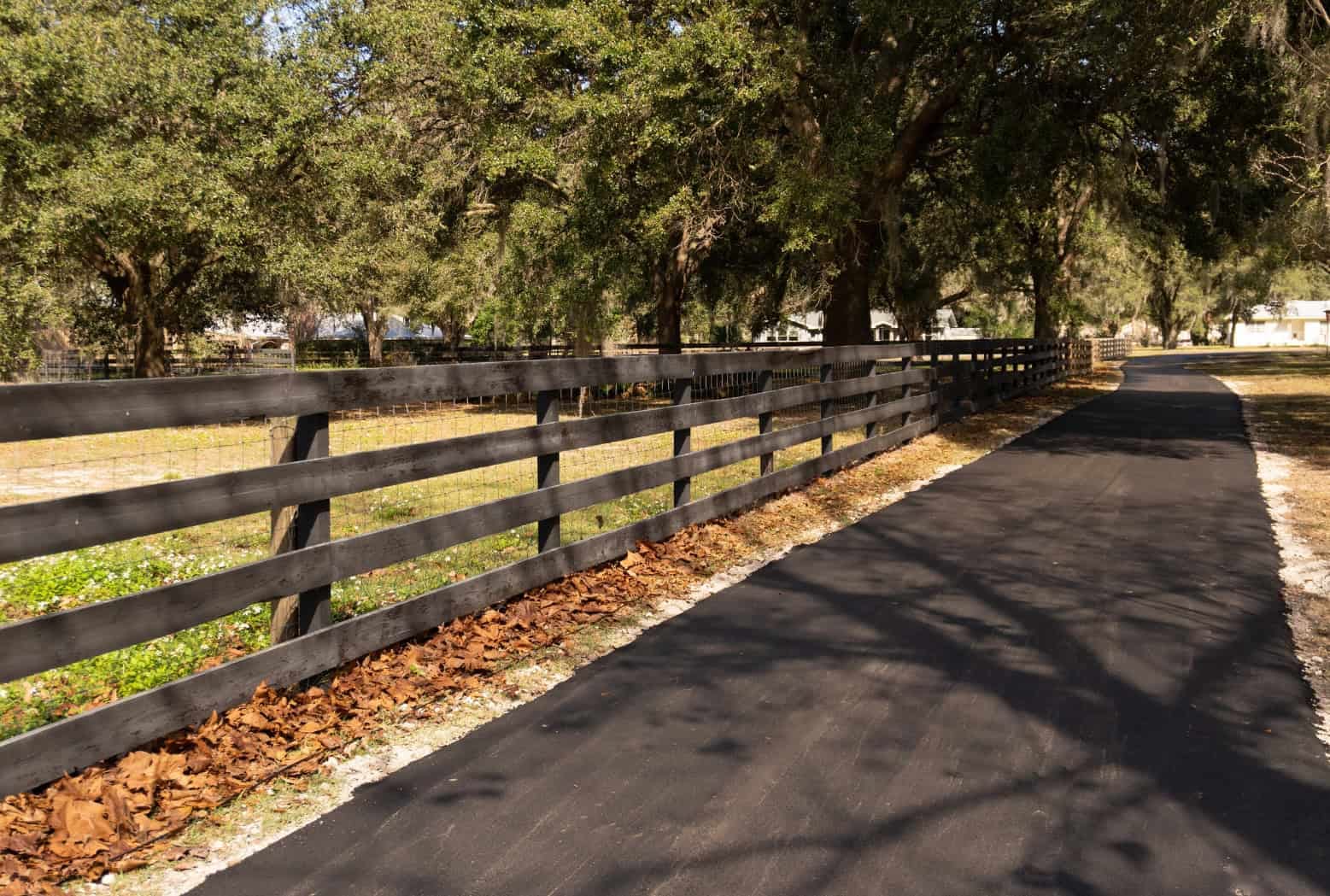
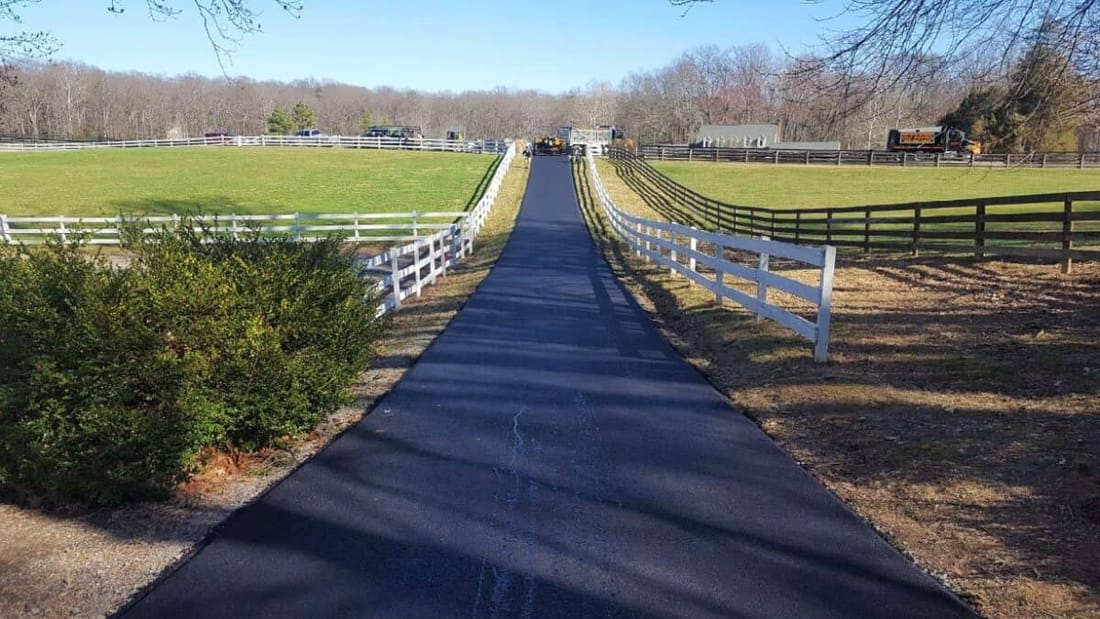
Precision Asphalt Indianapolis handles private road paving in Indianapolis, IN for neighborhoods, shared driveways, and rural properties. We design asphalt lanes to support regular traffic, heavy vehicles, and local weather conditions. Our team evaluates drainage, base strength, and layout to build roads that perform for years. Improve access to your property with a smooth, professionally built private asphalt road.
Precision Asphalt Indianapolis provides professional private road paving throughout Indianapolis, IN, Indiana and the surrounding area. Our licensed, insured crew delivers safe, clean, on-time work with a free estimate before anything begins. Call (317) 793-2897 or request your free quote.
Private Road Paving in Indianapolis That Holds Up to Real Use
A private road in central Indiana takes a different kind of punishment than a driveway. Delivery trucks, farm equipment, school buses, and daily vehicle traffic all grind away at the surface, especially through freeze-thaw cycles. Precision Asphalt Indianapolis focuses on building private roads and lanes that match the actual use of the property, not a one-size-fits-all template.
Before any estimate, we walk the full length of your road or lane. We look at drainage patterns, soft spots, existing gravel or broken pavement, and access points for large vehicles. On rural and semi-rural properties around Indianapolis, we often see wheel ruts that hold water, thin gravel over clay, or old chip seal that has broken apart. These conditions tell us how deep we must build the stone base and what asphalt thickness you really need.
We design every private road paving project around four key factors: expected traffic load, soil conditions, drainage, and snow removal methods. For example, if your HOA lane is plowed regularly, we plan for a surface mix that resists plow damage and edge breaking. If your private drive serves barns or light industrial outbuildings, we make sure the asphalt structure can take regular heavy axle loads without rutting.
How the Private Road and Lane Paving Process Works
A solid private road starts long before the first load of hot mix shows up. Precision Asphalt Indianapolis begins with stripping vegetation and topsoil along the planned lane width, typically 10 to 14 feet for single-lane access roads and wider for two-way traffic. We then shape and compact the subgrade, removing organic material and soft pockets that would later settle.
Next comes the stone base. Around Indianapolis we commonly use compacted limestone, installed in multiple lifts and mechanically compacted to reach a uniform, stable platform. Thickness can range from 6 inches on light use lanes to 10 inches or more where heavy trucks or farm equipment are common. We use string lines or laser levels to build a consistent crown or cross-slope so water runs off instead of standing in the wheel paths.
Once the base meets density and grade, we apply a tack coat if tying into existing asphalt, then place the asphalt in one or two lifts, depending on the designed thickness. For many private roads, we install a 2 to 2.5 inch base or binder course, then a 1.5 to 2 inch surface course. We use commercial-grade mixes similar to those on city streets, not the softer driveway blends that break down faster under traffic. Paving machines place the material, and steel drum and pneumatic rollers compact it to lock the aggregate together.
We finish by tying in transitions to garages, barns, county roads, or shared drive entries. If needed, we install simple gravel shoulders to protect the pavement edges from breaking when vehicles occasionally drive off the side.
Local Conditions in Indianapolis That Affect Your Private Road
Central Indiana weather is tough on asphalt. Winters bring freeze-thaw cycles that pop up weak spots, and spring rains quickly exploit poor drainage. Precision Asphalt Indianapolis designs private roads and lanes around these specific conditions instead of generic pavement charts.
Proper drainage is the number one factor for long life. If your lane crosses low areas or ditches, we may recommend installing or replacing culvert pipe and building up the roadbed with compacted stone so the asphalt stays above standing water. On sloped properties around the edges of Indianapolis, we pay close attention to where runoff will flow and may use shallow swales or slight crowns to direct water away from the pavement.
Timing also matters here. In our climate, full-depth reconstruction and new private road paving are best done from late spring through early fall when base material and asphalt can be compacted at proper temperatures. Early spring or late fall work is still possible, but we will be stricter about weather windows to avoid weak compaction or surface problems. For dusty or rutted gravel lanes, we might recommend stabilizing and grading the stone in advance so the road has time to settle before final paving.
Local soil conditions in the Indianapolis area often include clay that holds moisture. In these locations we may undercut soft spots and replace them with compacted aggregate, or add geotextile fabric between the subgrade and stone to keep the base rock from pumping and disappearing into the mud over time.
Design and Material Options for Private Roads and Lanes
Not every private road needs a highway-level structure, but cutting corners in the wrong places is what leads to early failure. Precision Asphalt Indianapolis lays out clear options so you understand where your money is going.
For light residential lanes that mainly see cars and small pickups, a standard option might include a 6 inch compacted stone base with a single 3 inch asphalt lift. This is often appropriate for shorter HOA lanes or shared drives with low traffic. Where school buses, delivery trucks, propane trucks, or farm machinery use the road, we typically upgrade to a thicker stone base and a 2-layer asphalt system that separates strength (binder course) from smoothness and water resistance (surface course).
If you manage an HOA or rural subdivision, we can adjust lane width, pull-offs, and turning radii to make life easier for residents and service vehicles. On long private drives with blind curves or hills, we may suggest minor alignment changes for safety during winter and nighttime use. For properties considering future development, we can design the private road so it can later be tied into added lanes or extended without tearing everything out.
We also discuss edge protection. On narrow rural lanes without curbs, we typically recommend compacted stone shoulders flush with the asphalt to support the pavement edge and improve drainage. For private roads near drainage ditches or steep slopes, we can plan for guard posts or simple barriers, and we make sure the pavement structure at those edges is not underbuilt.
What Drives the Cost and How We Control It
Private road paving costs in the Indianapolis area depend mostly on length, width, base thickness, and how much preparation is needed. Precision Asphalt Indianapolis walks you through each cost driver so there are no surprises.
Site preparation is often the biggest variable. Clearing brush, removing old broken pavement, cutting and filling to correct grades, and replacing soft spots all affect the bottom line. Long neglected gravel lanes that have developed deep ruts and drainage problems usually require more grading and base work than a well-maintained lane.
Material quantities have a direct impact on cost. A small increase in lane width or base thickness can add multiple truckloads of stone and asphalt. We model your project using realistic traffic assumptions instead of inflating thicknesses. If your usage is modest, we explain where you can safely save money, such as using a single-lift design in certain areas or maintaining some sections as improved gravel with paved approaches.
Access and logistics also matter. Tight, wooded lanes or steep approaches can slow down trucks and equipment, which affects labor hours. We plan haul routes and staging areas in advance to keep production steady. Whenever possible, we schedule work to minimize the total number of mobilizations, especially on rural properties outside the core of Indianapolis, which helps control your cost.
We provide a written scope that clearly lists base depth, asphalt thickness, drainage work, and tie-in locations. That way, when you compare our proposal to others, you are not just comparing a lump sum number, you are comparing what you are actually getting for your money.
Common Private Road Problems and How We Prevent Them
Most private road failures we see around Indianapolis share the same causes. Thin or poorly compacted base, standing water, and inadequate asphalt thickness for the traffic are at the top of the list. Precision Asphalt Indianapolis builds every project to avoid these specific issues.
Rutting in wheel paths usually points to an undersized stone base or soft subgrade. We test compaction during base installation and do not pave over areas that still move under the roller. If we encounter a soft pocket, we dig it out, backfill with compacted aggregate, and in some cases use a fabric separator to keep the repair from sinking.
Edge cracking and breakup show up quickly on narrow lanes where vehicles regularly run off the side. We reduce this risk by building proper shoulders and by maintaining a minimum lane width that matches how the road is actually used. For HOA or shared drives, we discuss realistic parking and passing habits so the design matches real behavior, not ideal conditions.
Potholes and alligator cracking are usually drainage and structure problems, not just surface defects. We inspect ditches, culverts, and cross slopes to keep water away from the pavement. If your existing private road is failing, our recommendations may include saw-cut patching with full-depth repairs, milling and overlaying the surface, or complete reconstruction in the worst sections.
Before we leave the job, we explain simple maintenance steps: how long to stay off new pavement with heavy vehicles, how to plow in winter without peeling edges, when to schedule crack sealing, and what early warning signs to watch for. This practical guidance helps your private road or lane deliver its full expected life.