Home › Commercial Gravel-to-Asphalt Conversions
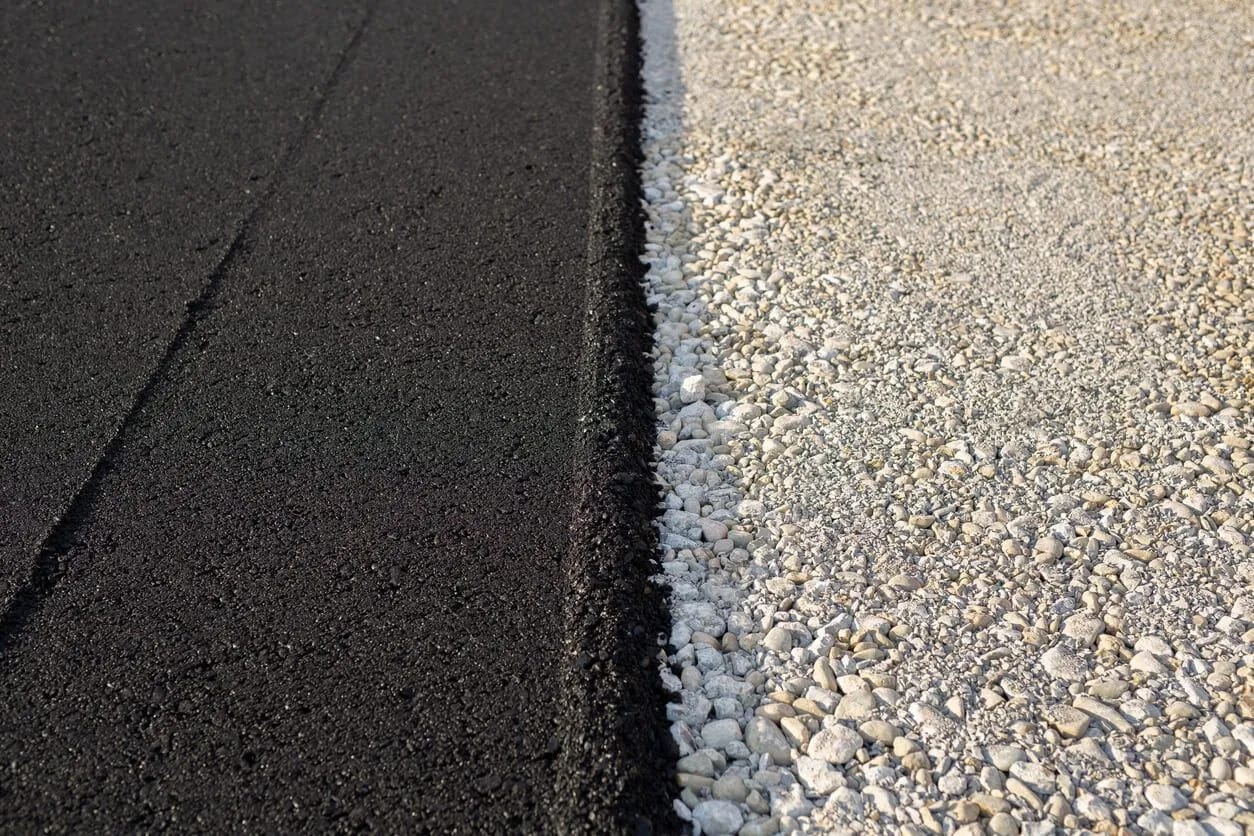
Precision Asphalt Indianapolis performs commercial gravel to asphalt projects in Indianapolis, IN to upgrade dusty, uneven surfaces. We reshape and compact existing aggregate, improve drainage, and install new asphalt pavement sized for your traffic. Businesses benefit from cleaner entrances, better accessibility, and reduced maintenance. Transform your gravel lot or drive into a professional asphalt surface that reflects well on your operation.
Precision Asphalt Indianapolis provides professional commercial gravel to asphalt throughout Indianapolis, IN, Indiana and the surrounding area. Our licensed, insured crew delivers safe, clean, on-time work with a free estimate before anything begins. Call (317) 793-2897 or request your free quote.
Turn Gravel Lots Into Durable Asphalt Surfaces
Loose gravel can work for a while, but for Indianapolis businesses that see regular traffic, deliveries, or customers on site, gravel often becomes a constant maintenance headache. Commercial gravel to asphalt conversions remove that ongoing hassle and replace it with a smooth, clearly marked, long lasting surface that reflects well on your business.
Precision Asphalt Indianapolis focuses specifically on commercial properties in and around Indianapolis, so we understand the soil conditions, drainage issues, and freeze-thaw cycles that affect how long a new asphalt surface will really last. When we convert a gravel lot to asphalt, we look beyond just the blacktop. We evaluate how trucks turn, where water collects after a storm, and which areas rut first when the ground is soft, then design the new pavement around those realities.
If you are dealing with dust on dry days, mud on wet days, and washboard ruts that keep coming back, a properly engineered asphalt surface can stabilize your site and drastically cut down on complaints from employees, tenants, and customers. Our goal is to turn your current gravel area into a safer, cleaner, easier to manage asset, not just a nicer-looking version of the same problems.
Our Gravel-to-Asphalt Conversion Process
A successful commercial gravel to asphalt project starts with investigation. We begin with a site visit where we walk the lot, probe the existing gravel and subgrade, and look for soft spots, standing water, or areas that have been repeatedly patched with extra stone. In Indianapolis, older gravel lots often hide pockets of construction debris or clay that must be corrected before they are covered with asphalt.
Once we understand what is under your gravel, we shape the existing stone to create proper slopes. Typically we look for at least a 1 to 2 percent pitch so water drains to the edges or to inlets. If the gravel layer is too thin or badly contaminated with dirt, we may remove sections and rebuild them with compacted aggregate base. This step is critical, since asphalt will mirror whatever movement occurs underneath it.
Next, we compact the prepared base with heavy vibratory rollers. For commercial sites that see delivery trucks or semi trailers, we often increase the base thickness and perform multiple proof-roll passes to identify weak spots. Any area that deflects under the roller is excavated and rebuilt before we proceed.
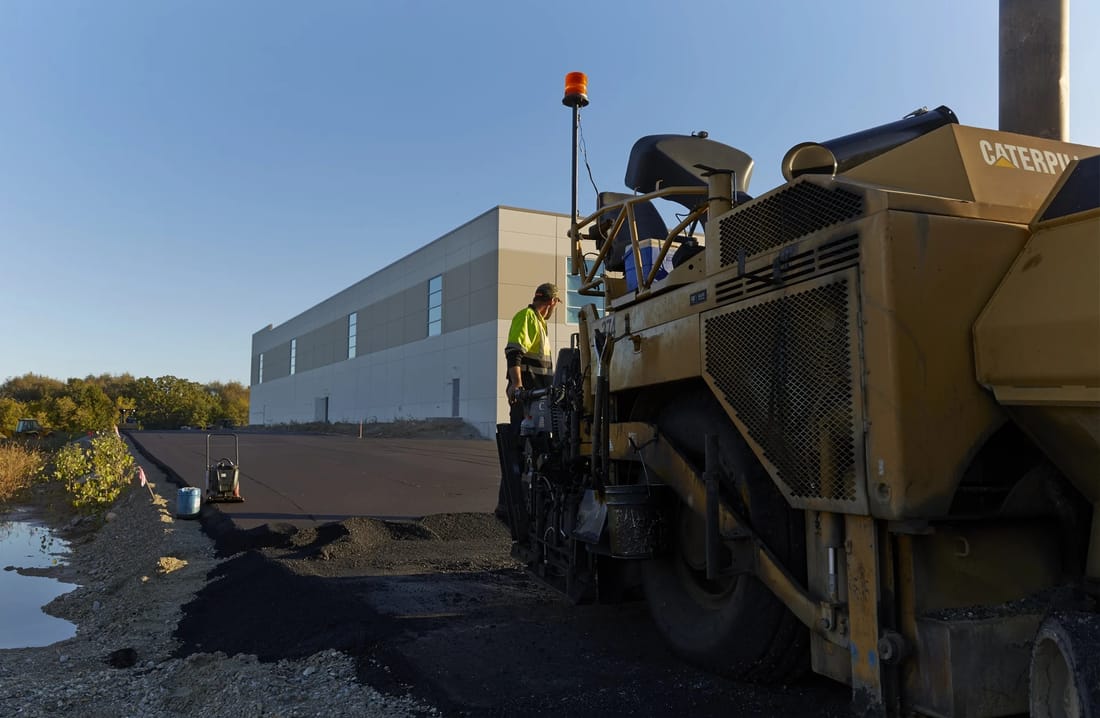
After the base is ready, we install hot mix asphalt. For most commercial conversions we use a 2-layer system: a thicker binder course for strength, followed by a finer surface course that provides a smooth driving and walking surface. Every lift is placed with a paver, not just spread and raked, then compacted to reach the proper density so it can handle Indiana freeze-thaw cycles without early cracking.
We finish by cutting in clean edges, installing any needed concrete transitions at entrances or dumpster pads, and then returning for striping once the asphalt has cooled. Throughout the process, Precision Asphalt Indianapolis coordinates with you on access, staging, and phasing so your business can keep operating as normally as possible.
Design Options For Your New Asphalt Lot
Converting from gravel to asphalt is an opportunity to improve more than just the driving surface. It is often the best time to rethink traffic flow, parking layout, and drainage. Precision Asphalt Indianapolis works with property managers, facility directors, and business owners to dial in the right design for how the property actually functions day to day.
For heavy commercial or industrial use, we may recommend thicker asphalt sections, reinforced base in loading areas, and larger turning radii so trucks are not grinding away at the same corners. For retail or medical offices, we focus on clearly defined parking stalls, ADA compliant accessible spaces and routes, and high visibility crosswalks so visitors feel safe the moment they pull in.
Lighting poles, islands, and landscaping can be worked into the new layout so you can add green space or improve night visibility. This planning is easier during a gravel to asphalt conversion than later, because we can adjust grades and base to accommodate these features from the start.
You can also choose from different surface options. Standard hot mix asphalt is ideal for most commercial sites, but some owners request a slightly coarser surface for added traction in winter or a specific joint layout to match existing concrete or asphalt. We coordinate striping colors, directional arrows, and signage locations so the finished lot looks organized and is easy to navigate.
If your property is part of an Indianapolis business park or HOA with appearance standards, we can match existing pavement edges and striping styles so the new area blends seamlessly with neighboring lots.
What Affects Cost For Commercial Gravel-to-Asphalt Conversions
Two gravel lots that look similar on the surface can have very different project costs. The most important driver is the condition and thickness of the existing gravel and subgrade. If your lot has a deep, well compacted stone base, we can often reuse much of it and focus on fine grading, compaction, and asphalt installation. If the gravel layer is thin or mixed with soil, more excavation and base reconstruction will be needed.
Site access also matters. Lots that allow our trucks and pavers to move freely without tight backing or long hauls are more efficient to build. Urban Indianapolis sites with limited staging areas, overhead lines, or shared drives may require smaller equipment, night or weekend work, or phased construction, which can affect cost.
Thickness of the asphalt structure is another major factor. Light duty parking for passenger cars might use a different asphalt depth than a warehouse with daily semi traffic. It is tempting to choose the thinnest option to save money, but under-building pavement usually results in rutting and early failure that end up costing more in the long run. We will show you clear section options so you can balance upfront cost with realistic performance.
Drainage improvements, such as adding underdrains in soft areas, adjusting existing catch basins, or adding new inlets, also influence budget. In Indianapolis, we pay close attention to how your lot will handle spring thaws and heavy summer storms. Correcting drainage while the lot is still gravel is far less expensive than trying to fix it after the asphalt is in place.
Finally, timing influences cost. The prime paving season in central Indiana is late April through October, when temperatures support proper asphalt compaction. Projects scheduled during this window tend to be more efficient. Emergency or late season work may require special mixes or additional measures to ensure quality, which can impact pricing.
Common Gravel-to-Asphalt Challenges And How We Address Them
Gravel to asphalt conversions on commercial sites come with a few predictable challenges. One of the most common in the Indianapolis area is soft subgrade caused by clay soils and poor drainage. If we simply pave over soft zones, they will show up as dips or cracks within a season or two. To prevent that, we use proof-rolling and test pits to locate weak spots, then undercut and rebuild them with appropriate stone and, when needed, geotextile stabilization.
Another issue is hidden utilities or structures under the gravel. It is not unusual to find abandoned concrete pads, septic components, or utility lines that were never mapped. Precision Asphalt Indianapolis coordinates with utility locating services and, if we encounter unexpected structures, we work with you to decide whether to remove, bridge, or redesign around them so they do not compromise the new pavement.
Gravel lots often have informal traffic patterns, with drivers cutting random paths and making their own parking rows. When we introduce asphalt and striping, some users may initially resist the new layout. To reduce confusion, we recommend clear signage, temporary cones at key turns, and communication with employees or tenants before the changeover so everyone knows how to use the new lot.
Drainage is another frequent concern. Long-standing puddles in a gravel lot are a warning sign that water will also sit on asphalt unless we adjust grades or add drainage features. During design, we intentionally identify these problem zones and work in practical fixes, from raising low spots with base stone to reworking swales or installing inlets. Proper drainage protects the asphalt and reduces slip hazards in winter.
Finally, scheduling the work without disrupting business operations can be tricky. For multi-tenant properties, we often phase the conversion so part of the lot remains open while another section is being rebuilt. For 24-hour operations, we may schedule critical tie-ins during off-peak hours. Clear communication and realistic timelines keep the project on track and limit surprises.
Planning Your Project With Precision Asphalt Indianapolis
Before you commit to a commercial gravel to asphalt project, it helps to have a clear picture of scope, cost, and schedule. Precision Asphalt Indianapolis starts with a conversation about how your property is used, what problems you want solved, and any future plans that might affect the pavement, such as building expansions or new loading areas.
We then perform a detailed site assessment. This includes measuring the area, checking slopes, reviewing access points, and evaluating the existing gravel depth and condition. If needed, we can coordinate basic soil testing to confirm bearing capacity in critical areas. Based on this information, we prepare a written proposal that outlines base work, asphalt thicknesses, drainage modifications, and any optional improvements like lighting islands or additional striping.
For Indianapolis clients who need to work within a specific budget year or maintenance cycle, we can break the project into phases. For example, we might stabilize and pave the main drive lanes and high traffic sections first, then convert secondary parking or storage areas later. This approach controls cash flow while still moving you away from the ongoing maintenance costs of gravel.
The best time to schedule commercial gravel to asphalt work in central Indiana is typically from late spring through early fall. Temperatures are warm enough for proper compaction, and we can more accurately see how water is moving across your site. If you have a seasonal slow period, we can often target that window to minimize disruption.
From first visit to final striping, our team keeps you updated on what to expect and when. When the project is complete, we review basic maintenance steps, such as when to consider sealcoating and how to manage snow removal to avoid damage at edges and drains. Our goal is for your new asphalt surface to perform for many years, so the investment in converting from gravel pays off well into the future.