Home › Asphalt Resurfacing & Overlays
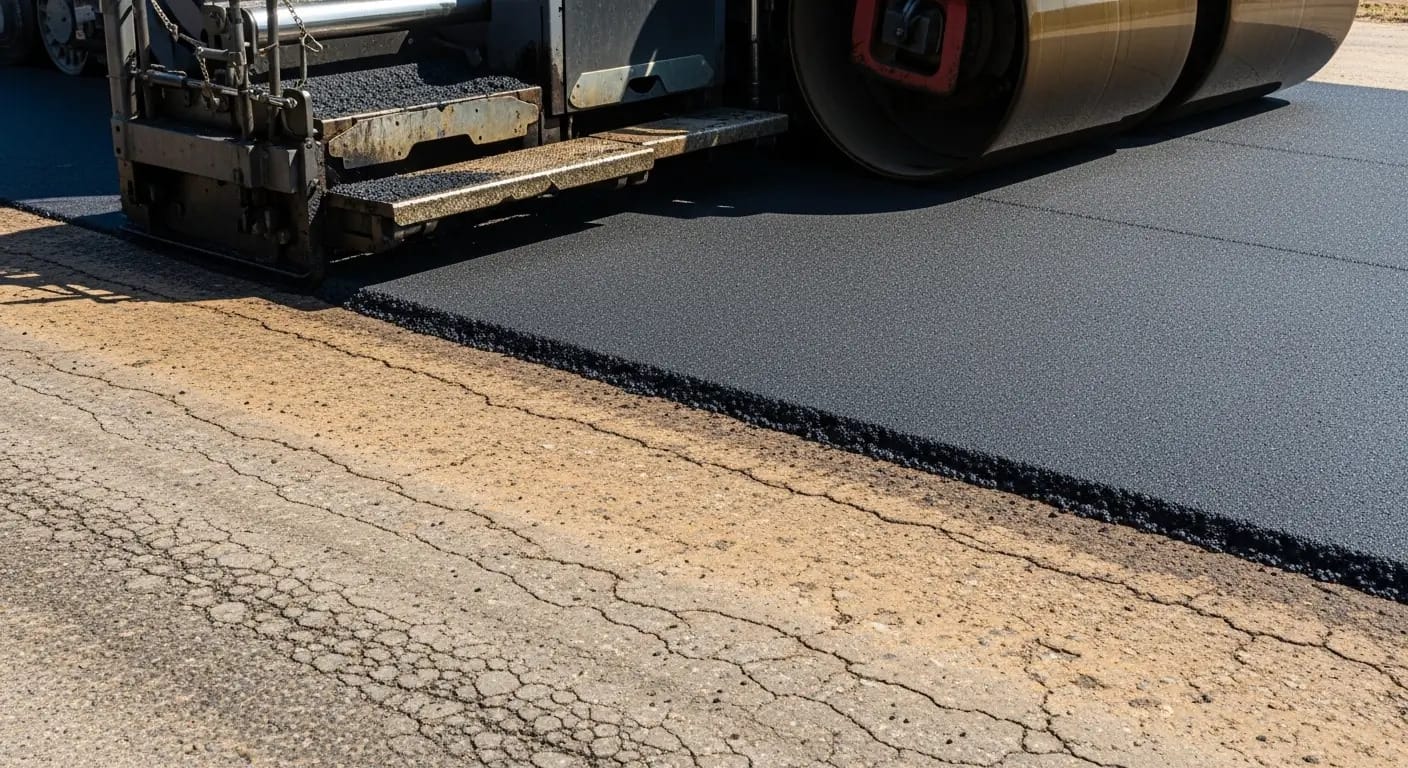
Precision Asphalt Indianapolis provides asphalt resurfacing in Indianapolis, IN to restore aging residential driveways. We mill or clean the existing surface, correct minor defects, then install a new asphalt overlay for a smooth finish. Resurfacing is a cost effective option when the base is stable but the top layer is cracked or worn. Extend the life of your driveway with a fresh, uniform asphalt cap.
Precision Asphalt Indianapolis provides professional asphalt resurfacing throughout Indianapolis, IN, Indiana and the surrounding area. Our licensed, insured crew delivers safe, clean, on-time work with a free estimate before anything begins. Call (317) 793-2897 or request your free quote.
Asphalt Resurfacing & Overlays in Indianapolis, Done the Right Way
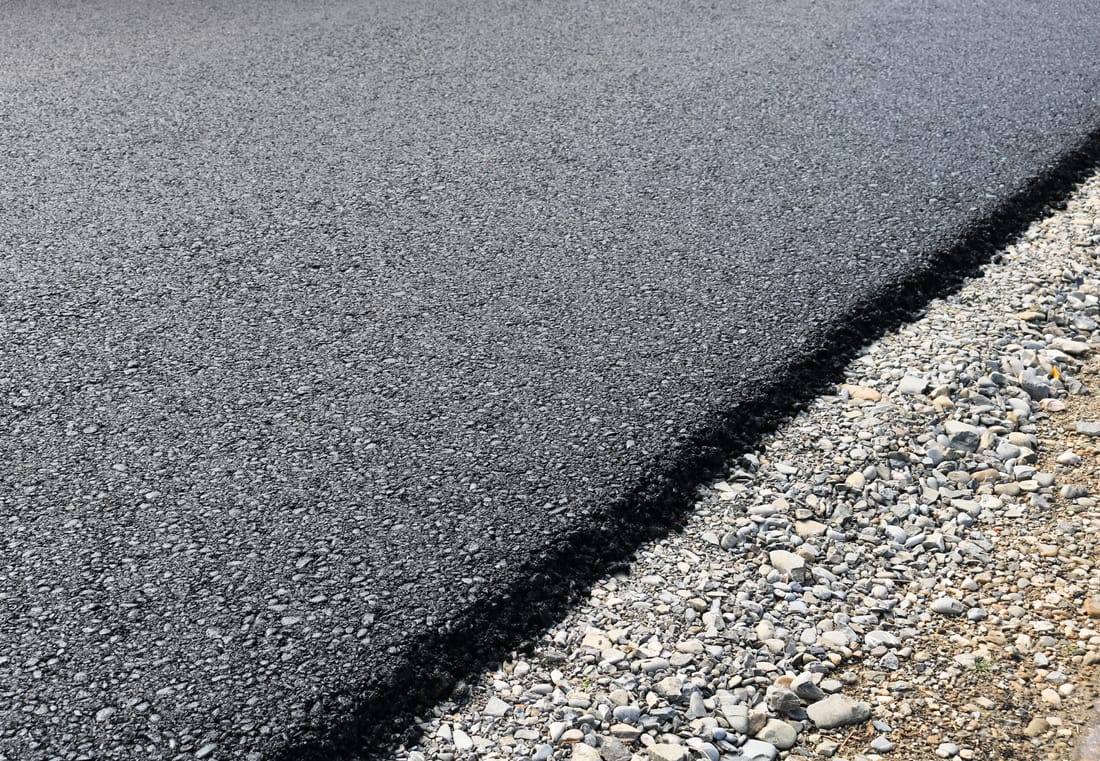
When asphalt in Indianapolis starts cracking, raveling, or holding water but the base is still solid, resurfacing and overlays are often smarter than full replacement. Precision Asphalt Indianapolis focuses on extending the life of driveways, parking lots, and private roads by rebuilding the top layer, not just painting black sealer over problems.
Our crews inspect the pavement, test base stability where needed, and determine how much material has to be milled off before a new asphalt layer goes down. This process lets us correct drainage issues and surface damage without paying for a full tear out. It is especially useful for commercial lots that cannot be shut down for long and residential drives that have good structure but a rough or cracked surface.
We work across Indianapolis and nearby communities like Greenwood, Avon, Fishers, Carmel, and Lawrence, and understand local soil and freeze thaw cycles that beat up asphalt here. That local experience is what allows us to recommend resurfacing when it is truly appropriate and to tell you honestly when a complete replacement is a better long term investment.
How Asphalt Resurfacing Actually Works
A proper asphalt overlay is more than just dropping hot mix on top of old pavement. Precision Asphalt Indianapolis follows a clear process so the new surface bonds and drains correctly.
1) Evaluation and coring if needed. We walk the site, mark structural failures, potholes, and soft areas, and may pull small cores to check base thickness. If the existing base or lower asphalt lifts are failing, we will not recommend resurfacing because it will not last.
2) Milling and profile correction. We use a milling machine to grind off a controlled depth of the existing asphalt, usually 1 to 2 inches for residential work and 1.5 to 3 inches for commercial lots, depending on traffic and existing thickness. Milling keeps new asphalt from sitting higher than concrete aprons, garage floors, manholes, or catch basins and lets us re shape slopes for drainage.
3) Full depth repairs. Any deep potholes, alligator cracked areas, or places where the base has pumped or settled are cut out, the base is re compacted or replaced, and new base asphalt is installed and compacted. Skipping this step is why many cheap overlays fail in 2 to 3 years.
4) Cleaning and tack coat. We mechanically sweep and blow the milled surface to remove dust and debris, then apply a tack coat, a thin layer of asphalt emulsion that helps the new asphalt lock onto the old pavement.
5) New asphalt overlay. We place hot mix asphalt in one or more lifts depending on the design thickness. For most driveways we install 1.5 to 2 inches in a single lift. For commercial and industrial lots we often use 2.5 to 3 inches, with mix designs chosen to handle turning trucks or constant traffic.
6) Compaction and joints. Steel drum and pneumatic rollers compact the new surface to the specified density. We pay attention to longitudinal and transverse joints so you do not end up with weak seams that ravel quickly.
7) Striping and markings. For commercial customers we re stripe stalls, ADA spaces, fire lanes, and directional arrows to current Marion County and Indiana ADA requirements, matching your existing layout or improving traffic flow where requested.
Material Options, Thickness, and Mix Types
Not all overlays use the same asphalt. Precision Asphalt Indianapolis selects mixes and thicknesses based on how the surface will be used, not just what is cheapest at the plant that day.
For residential driveways we typically use a dense graded surface mix with 9.5 mm aggregate. This provides a smooth finish that is plow and shovel friendly but still strong enough for personal vehicles and small delivery trucks. Typical overlay thickness is 1.5 to 2 inches after compaction. On longer drives or shared lanes that see heavier vehicles, we may recommend going to 2.0 inches or using a slightly coarser mix.
For commercial parking lots we often use a 9.5 mm or 12.5 mm surface mix. In drive lanes, trash truck paths, loading zones, and entrances that get more turning or heavy loads, we may specify a thicker lift or a mix with tougher aggregate and higher performance binder so rutting does not develop.
On industrial sites or private roads that see semi traffic, we will usually recommend at least a 2.5 to 3 inch overlay and sometimes a two lift system, base lift plus surface lift, even though it is called a resurfacing project. This costs more up front, but it protects against early fatigue cracking from heavy axles.
We also discuss surface texture. A slightly coarser finish can provide better traction on sloped drives or near loading docks. In shaded Indianapolis areas that stay damp or icy longer, a textured surface can help reduce slip risk. These are choices we walk through during our proposal so you know what you are getting and why.
What Drives the Cost of Asphalt Resurfacing in Indianapolis
Most customers want to know why one resurfacing price is higher or lower than another. Several real factors drive cost, and we lay them out clearly when Precision Asphalt Indianapolis bids your job.
1) Square footage and thickness. More area and more inches of asphalt mean more material, more truck time, and more labor. A 2 inch compacted overlay uses roughly a third more asphalt than a 1.5 inch overlay.
2) Milling depth and access. Shallow milling in a wide open parking lot is faster and cheaper than deeper milling around tight islands, loading docks, and curbs. Residential drives with tight turns or limited truck access may require smaller equipment and extra time.
3) Base and patching work. If we find widespread soft spots, base failures, or deep alligator cracking, we will include cut out and full depth patching. This adds cost up front but is what keeps you from paying twice when a thin overlay settles or cracks over the same weak areas.
4) Drainage corrections. Adjusting slopes to move water away from buildings or filling long running birdbaths can require additional milling, leveling courses, or fine grading. In Indianapolis freeze thaw cycles, standing water quickly destroys asphalt, so we rarely recommend resurfacing without fixing drainage.
5) Phasing and traffic control. For active businesses, working in phases so customers can still park or trucks can still load takes more mobilizations, barricades, and flagging. Shutting a lot down for one tight schedule window is usually cheaper per square foot.
6) Marking and compliance. ADA updates, new striping layouts, and custom stenciling (numbers, logos, reserved stalls) can add line painting time and material.
We are open about these drivers. Our proposals show line items so you can see exactly where your money goes and what scope could be modified if you need to stay within a specific budget.
Local Considerations: Weather, Codes, and Timing in Central Indiana
Indianapolis weather and local requirements affect how and when resurfacing should be done. Precision Asphalt Indianapolis schedules and builds projects around these constraints so your overlay performs well for years.
Temperature and season matter. Hot mix asphalt needs sufficient ground and air temperature to compact and bond properly. In central Indiana, the reliable resurfacing window is usually April through early November, with spring and fall jobs carefully watched for night time temperature drops. We also plan around summer thunderstorms, since new overlays are vulnerable to heavy rain before they are compacted.
Freeze thaw cycles are another concern. Water that seeps through cracks and then freezes expands and breaks down the pavement from inside. That is why we focus on eliminating ponding areas, properly sealing joints after work where appropriate, and recommending sealcoating at the right time after the overlay has cured.
Local rules may also apply. In Indianapolis, larger commercial properties often have site plans with required number and size of parking spaces, ADA accessible routes, and fire lane markings. If we are changing layout or striping design, we confirm dimensions and counts so you stay in compliance. Some HOAs in the suburbs around Indianapolis require notice or pre approval when resurfacing shared drives, and we can provide scope descriptions or drawings to help with that process.
For downtown or busy corridors, lane closures or work in the right of way may need coordination with the city. When a project touches sidewalks, ramps, or public access points, we can help you understand when permits or additional ADA upgrades may be triggered.
What You Should Decide Before You Resurface
Before you hire any asphalt contractor in Indianapolis for resurfacing or overlays, a few decisions and checks will help you get a better result.
First, confirm that resurfacing is actually appropriate. If there are widespread deep structural cracks, big dips, or chronic base failures, a full replacement might be the only solution that makes sense long term. Precision Asphalt Indianapolis will tell you when that is the case and show you core or cut out evidence if needed.
Second, decide how long you want the surface to last and what traffic it must handle. If you plan to sell a property within a couple of years, a thinner overlay over a reasonably sound base may be acceptable. If you expect heavy trucks or want a 10 plus year life, you may choose more thickness, more base repairs, and a tougher mix.
Third, think about drainage and layout changes now, not later. If you constantly see ice sheets in certain spots, doors where water blows in, or confusing parking patterns, resurfacing is the right time to fix slopes and striping. Once the overlay is down, slope changes become expensive.
Finally, ask every contractor specific questions about milling depth, repair scope, tack coat, compaction equipment, and mix type. If a quote does not clearly describe these, or if the answer is just "standard overlay," you will have trouble holding them to a performance standard. Our proposals spell out these details so you can compare apples to apples and know exactly what work will be completed.
If you want a straightforward assessment and a resurfacing plan suited to Indianapolis conditions, Precision Asphalt Indianapolis is ready to walk the site with you and talk through the options before any work begins.